

Professional tree pruning and trimming service isn’t just about looks — it’s about long-term health, safety, and risk reduction. Our ISA Certified Arborists use proven pruning standards to protect your property and extend the life of your trees.

ISA Certified Arborists. Proper Pruning for Healthier, Safer Trees.

Tree Pruning & Trimming Services

At A Plus Tree, we deliver structural pruning and tree trimming services for HOAs, commercial properties, and homeowners who want safer trees and long-term health — not quick cosmetic cuts.
When You Need It

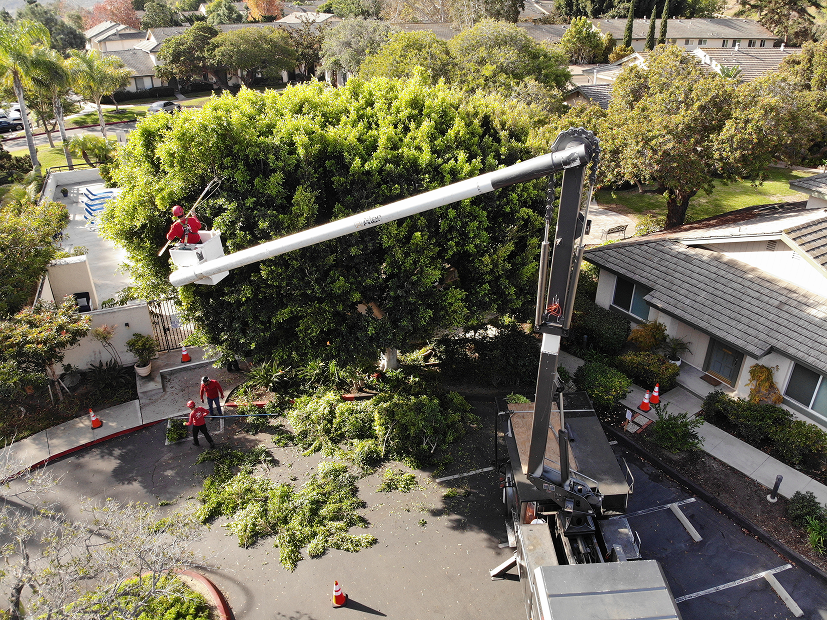
Dead, broken, or hanging branches are visible after a storm or high winds.

Canopies are encroaching on buildings, power lines, or blocking pedestrian walkways.

Trees appear overgrown, lack adequate sunlight penetration, or exhibit signs of disease or decay.

What Happens Next

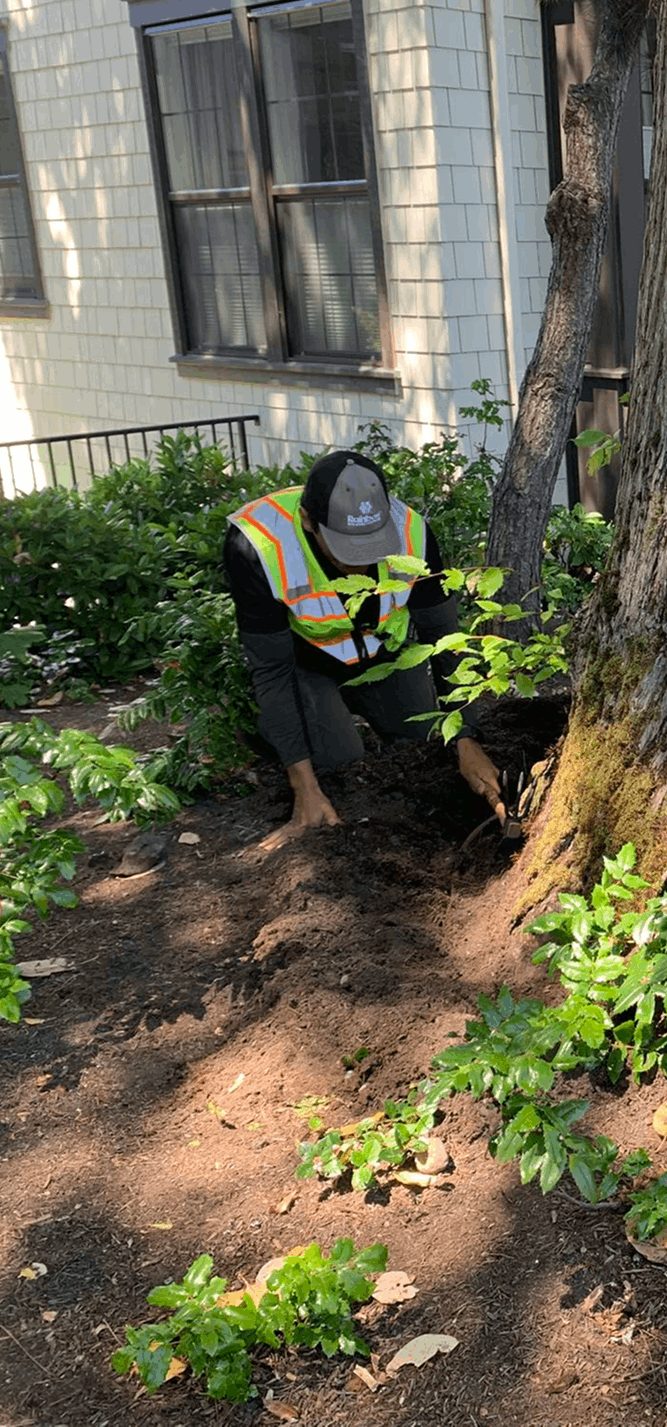
Your arborist will assess the site, deliver a transparent proposal, and schedule a certified crew to complete the work safely.
HAVE TREES THAT NEED EXPERT ATTENTION?

  • What’s Included in Our Pruning Services

    We offer comprehensive care tailored to your landscape, including crown thinning for improved airflow, deadwood removal for safety, structural pruning for young trees, and clearance tree trimmer services for buildings and utility lines. The goal is simple: a healthier structure, reduced wind load, improved clearance, and a canopy that looks intentional.

  • Our Professional Process

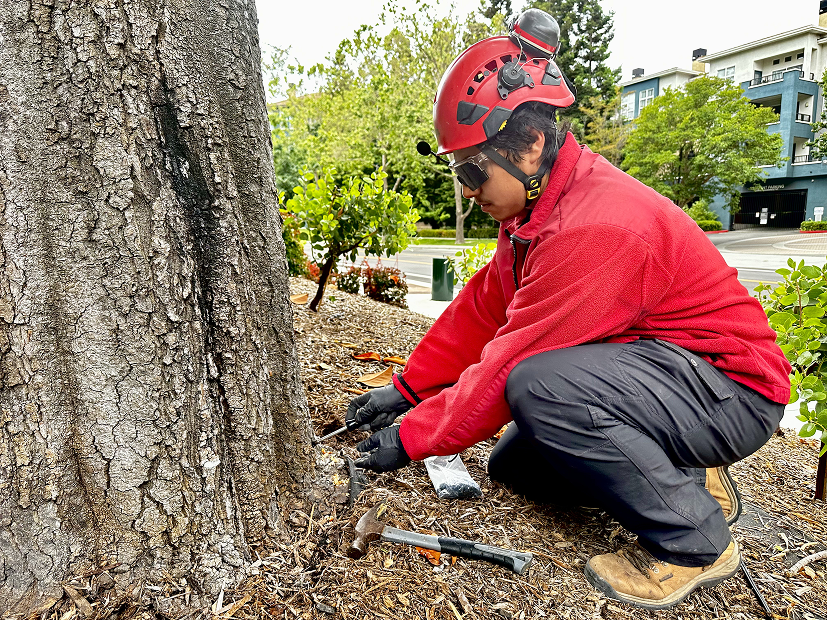
    Our crews perform precision cuts following professional pruning best practices (ANSI A300 guidance) and finish with thorough cleanup and debris hauling. For multi-tree properties, we can also map priorities and build a recurring pruning schedule.

  • Tree Trimming Cost Factors

    Pricing for tree trimming services is determined by the tree’s size and species, the complexity of the canopy, and the equipment required (e.g., bucket trucks or specialized rigging). Access to the tree’s location also affects the final estimate.

  • The Best Time to Schedule

    The best time depends on species, goals, and risk. Hazard pruning should happen as soon as an issue is identified. For structure and long-term health, many trees respond best when pruning is planned strategically — often during dormancy or ahead of active growth.

  • Why Choose A Plus Tree

    We combine the science and art of arboriculture with ArborPlus — our tech platform that helps you track trees, service history, and recommendations, and plan care on 1-, 3-, or 5-year schedules.

TALK TO AN A PLUS TREE SPECIALIST TODAY

Understanding the Difference: Pruning vs. Trimming

While these terms are often used interchangeably, pruning is the surgical removal of dead or diseased branches to improve health and structural integrity. Trimming often focuses on shaping and controlling growth for clearance or aesthetics (your classic tree trimming services), while pruning is more targeted and health-driven, especially when structure and risk reduction matter.
Trusted by Your Neighbors

Feedback from our clients

Certifications

ISA Certified Arborists and CTSP-certified safety leadership available on major projects.

TCIA Accredited
TCIA-accredited arborists, fully licensed and insured.

Tree Trimming & Pruning Service FAQs

Proper pruning improves tree health, reducing safety hazards and liabilities while raising curb appeal and property value.

Yes. Every project includes thorough cleanup. Debris is removed from the site, and chipping/mulch options are available based on your property’s needs.

Safety is our priority. While we provide clearance pruning, utility line work requires specific coordination. We will assess the proximity to high-voltage lines during your site visit.

We can use ArborPlus to inventory trees and organize priorities (safety, health, clearance), so you can plan work and budget with confidence.

Professional tree pruning removes diseased wood and improves sunlight and air circulation, enhancing pest resistance.

If utility involvement is required, we’ll help coordinate the safest next step.

Frequency depends on the age, species, and health of the tree, as well as its location. As a general standard, most mature trees should be professionally assessed every 1 to 3 years, while younger trees may require more frequent structural pruning to ensure they develop a safe, strong canopy.

Ready to protect your landscape?