
If you have noticed thin, fast-growing shoots pushing up from the base of your tree or poking through the lawn nearby, you are not alone. Knowing how to stop tree sprouts without killing the tree is something many homeowners struggle with, especially because the standard advice to cut them off never seems to hold for long.
These sprouts, often called suckers, are often tied to underlying stress that can improve with proper tree health care. This is usually manageable without harsh chemicals or drastic measures.
This guide will walk you through what is happening, what actually works, and how to protect your tree throughout the process.
Quick Answer: Tree sprouts (suckers) can be safely removed by cutting them as close to their origin point as possible without tearing the bark. For ongoing control, applying a NAA-based growth inhibitor to the wound site after removal can significantly slow regrowth. Avoid herbicides near tree root zones because they can seriously damage the parent tree.
What Are Tree Sprouts and Why Do They Appear?
Before you can stop tree sprouts effectively, it helps to understand what they actually are and why your tree is producing them. The cause matters just as much as the removal method.
Root Sprouts vs. Trunk Suckers (Water Sprouts)
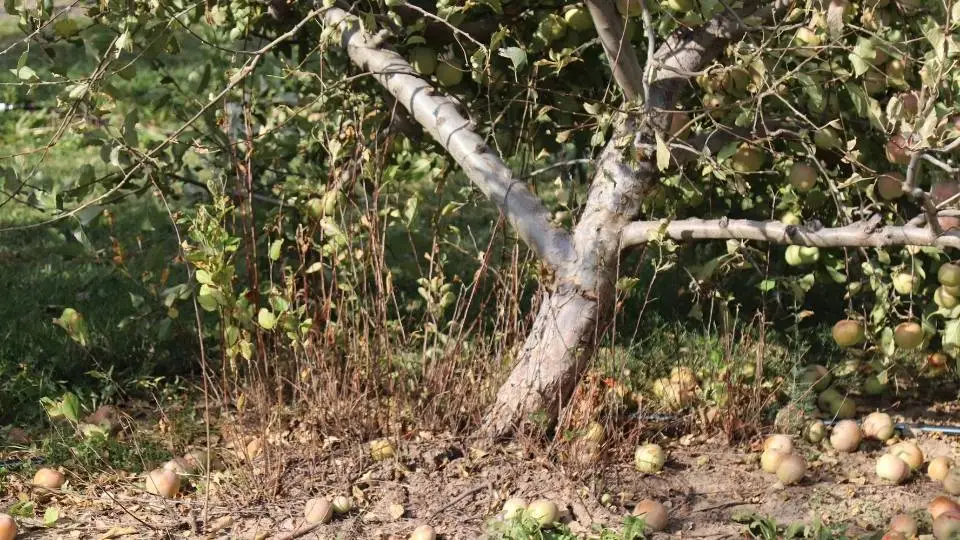
Not all sprouts are the same, and the difference matters when you are deciding how to handle them. Root sprouts, also called root suckers, emerge from the root system and can appear several feet away from the trunk in your lawn or garden bed.
Trunk suckers, or water sprouts, grow directly from the trunk or main limbs, often shooting straight up and looking out of place with the rest of the canopy.
Both are the tree’s way of generating new growth, but for different reasons and from different sources. Knowing which type you are dealing with tells you where to cut and what to expect. If you want a closer look at the differences, this guide to watersprouts, suckers, and epicormic shoots helps explain what each type of growth may be telling you.
The Role of Grafted Trees (Rootstock Rejection)
Many common ornamental and fruit trees, including crabapples, pears, cherries, and some maples, are grafted trees. That means the desirable upper portion, called the scion, is joined to a more vigorous root system, the rootstock.
When suckers emerge from below the graft union, they belong to the rootstock, a genetically different tree entirely. These suckers that grow from below a graft union will not produce the same fruit, flower, or form as the tree you planted, and if left unchecked, they can outcompete the scion and take over. Sprouts with noticeably different leaf shapes or colors than the rest of your tree are a clear sign this is happening.
Common Causes: Stress, Trauma, and Planting Depth
A tree under stress is far more likely to produce suckers. Think of it as the tree’s survival instinct kicking in. In many cases, stress starts with poor pruning practices or cuts made at the wrong time, which is why proper tree pruning and trimming matters more than many homeowners realize.
Common triggers include:
- Physical damage to the roots or trunk (mower strikes, edging cuts, construction)
- Heavy pruning that removes too much canopy at once
- Drought or waterlogging
- Planting too deeply, which can suffocate the root collar
- Compacted soil that restricts healthy root development
Understanding the cause is not just academic. If the stress is not addressed, sucker removal becomes an endless cycle rather than a real solution.
Not sure if your tree needs professional attention?
A Plus Tree’s ISA Certified Arborists serve homeowners across the West Coast. A free assessment takes 15 minutes and gives you a clear answer.
Is It Safe to Remove Tree Sprouts?
Yes, but how you do it matters more than most people realize. Done correctly, sucker removal is safe and beneficial. Done carelessly, it can create new problems. Here is what to know before you start.
Risks of Damaging the Tree (Open Wounds and Rot)
Tearing suckers off by hand or cutting carelessly can leave jagged wounds that become entry points for fungal disease and wood rot. A clean cut made close to the point of origin heals far more reliably. If the bark is already torn or scraped in the process, it helps to understand how to save a tree with damaged bark before the problem gets worse.
A helpful way to picture it is this, the tree forms new tissue around a clean wound, much like skin heals around a small cut. A ragged tear takes longer to close and leaves the area more vulnerable in the meantime.
Why You Should Never Use Weed Killer on Suckers
This is one of the most important safety points in this guide. Herbicides that work perfectly well on lawn weeds can be fatal to tree roots. Because suckers share the same root system as the parent tree, applying weed killer near the trunk or root zone is essentially applying it to the tree itself, and even herbicides sprayed on sucker foliage can move back into the roots and cause serious or gradual decline.
DIY Safety Checklist Before Removal
Before you start, run through these quick checks:
- Identify whether the sprout is a root sucker or a trunk water sprout
- Check for any signs of disease on nearby bark (cankers, discoloration, oozing sap)
- Make sure your pruning shears are clean and sharp, because dull blades crush tissue instead of cutting it
- Have a clean cloth ready to wipe blades between cuts if disease is suspected
- Avoid removing suckers during peak heat or drought stress, because the tree has less capacity to heal
Step-by-Step: How to Stop Tree Sprouts Without Harming the Tree
With the right technique, you can remove suckers safely and slow regrowth significantly. Follow these steps in order for the best outcome.
Step 1: Identify the Source (Root vs. Trunk)
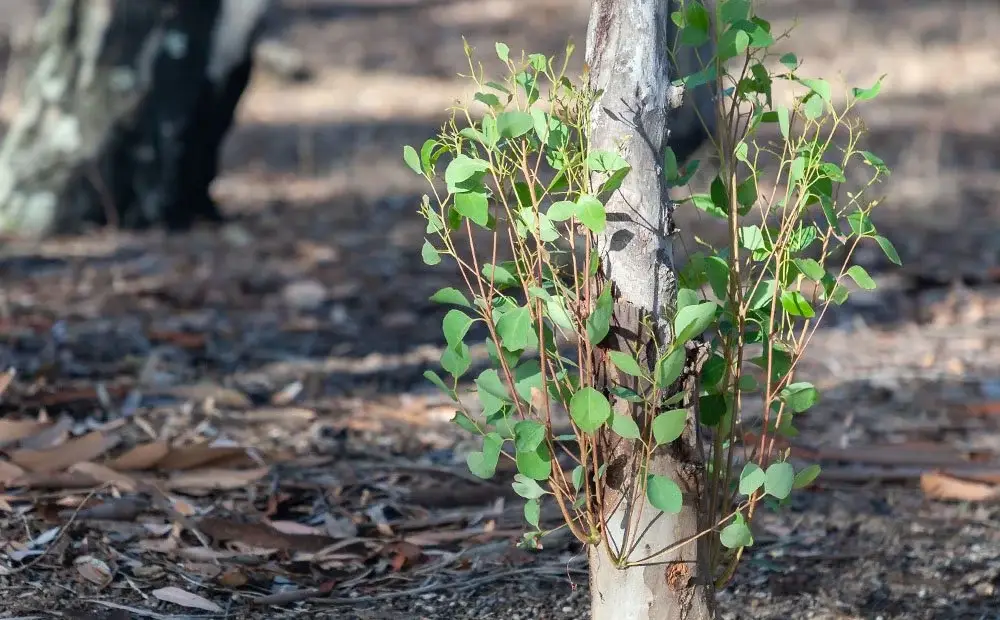
Trace each sprout back to where it meets either the root system or the trunk. For root suckers, this often means scraping back a little soil to find the exact connection point. For water sprouts, look for the small raised ring of bark at the base of the shoot where it meets the trunk or branch.
Getting this right matters. Cutting a root sucker several inches above the root simply stimulates more growth. You want to remove it as close to the source as possible.
Step 2: The Clean Cut Method (Manual Removal)
Use sharp bypass pruners for small suckers under half an inch in diameter, and a pruning saw for anything larger. Cut flush with the origin point without cutting into the root or trunk tissue itself.
Do not apply wound sealant. Pruning paint and wound sealers can trap moisture and encourage rot rather than helping the tree heal, a clean, flush cut is the most effective approach.
Step 3: Using Sucker Growth Inhibitors (NAA) Safely
If suckers regrow persistently, a NAA-based (naphthaleneacetic acid) sucker growth inhibitor can be applied directly to the freshly cut surface immediately after removal. NAA is a plant growth regulator.
In simple terms, it helps stop the wound site from producing new shoot buds. Apply it only to the cut surface itself, not to the surrounding bark or soil, and follow label directions carefully.
Step 4: Monitor and Re-Establish the Bark Collar
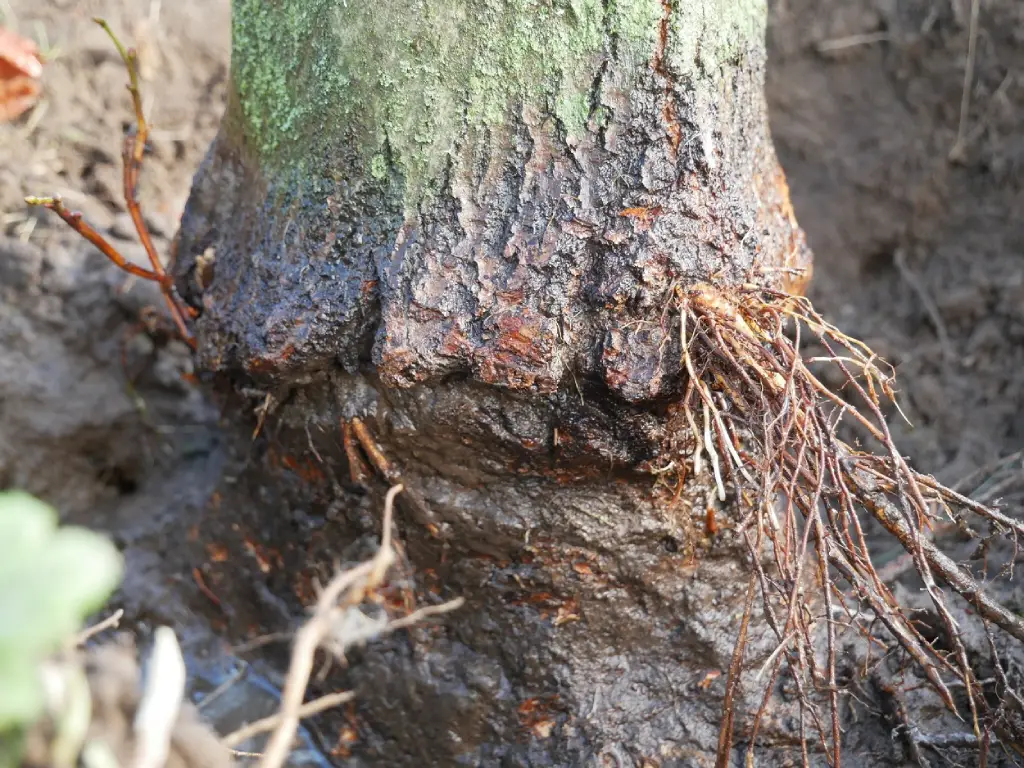
After removal, check the area every few weeks. Watch for new tissue forming around the cut edge within a month or two during the growing season. Discoloration, soft wood, or excessive weeping from the wound may indicate a pre-existing fungal issue that the removal has exposed, and it is worth investigating further.
If you notice sticky or persistent leakage, it may help to understand how to stop sap dripping from a tree and when that kind of symptom points to a larger problem. With each properly timed removal, regrowth typically becomes less vigorous over time.
Comparing Control Methods: What Actually Works?
Not every control method is equal, and some commonly suggested options can do more harm than good. Here is a practical comparison to help you choose the right approach for your situation.
Manual Pruning: Best for Immediate Removal
Manual pruning is the gold standard for most homeowners. It is the safest option for the tree, gives you direct control, and introduces no chemicals into the root zone. The trade-off is consistency. For aggressive species or stressed trees, suckers may return every few weeks during the growing season. Building removal into your regular yard maintenance routine is the most practical long-term approach.
Growth Regulators vs. Herbicides: Knowing the Difference
To be clear, growth regulators like NAA are appropriate for sucker control on living trees. Herbicides are not. Growth regulators work only where they are applied. Herbicides can move through soil or plant tissue and harm the parent tree. Even products marketed as safe for use around trees carry real risk, so always keep any product well away from the root zone.
Natural Prevention: Mulching and Soil Health
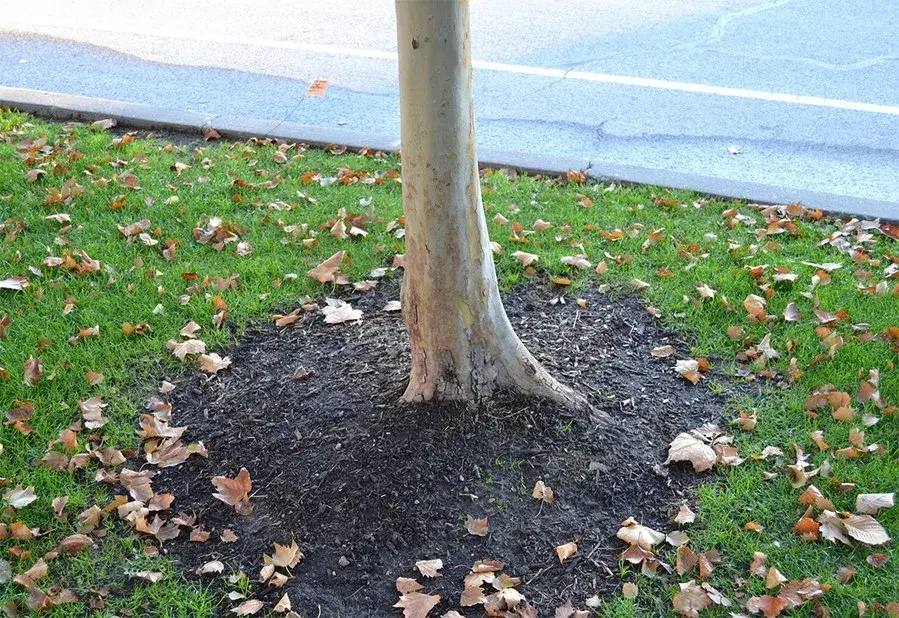
A 2-to-4-inch layer of organic mulch applied in a ring around the tree and kept away from direct contact with the trunk stabilizes soil moisture, reduces temperature extremes, and cuts down on the physical stress that often triggers sucker production.
Aerating compacted soil and avoiding excessive fertilization near the root zone are both low-effort ways to reduce conditions that encourage suckering over time.
How to Stop Tree Sprouts from Stumps or Old Roots
A removed tree is not always a finished problem. The root system can remain alive for months or even years, continuing to send up new growth. Here is how to stop tree roots from sprouting after a removal and keep them from coming back.
Preventing Regrowth After Tree Removal
When a tree is cut down, the root system often remains alive and keeps pushing energy into new growth, which is why you can end up with green shoots around a stump months after the tree is gone. The most reliable approach to stop tree roots from sprouting is complete stump and root grinding, which removes the tissue that fuels regrowth. Without it, repeated sprout removal will eventually exhaust the root’s stored energy, but this can take several seasons for larger trees.
Dealing with Persistent Stump Sprouting
For particularly aggressive species like elm, cherry, or black locust, stump sprouting can be especially persistent. In these cases, a targeted cut-stump herbicide applied directly to the freshly cut stump surface immediately after cutting is one of the few situations where herbicide use is appropriate, because the tree has already been removed and there is no live canopy to protect.
This is very different from applying herbicide near a living tree, and in this specific context the approach is far more targeted and controlled.
Long-Term Tree Health and Sucker Prevention
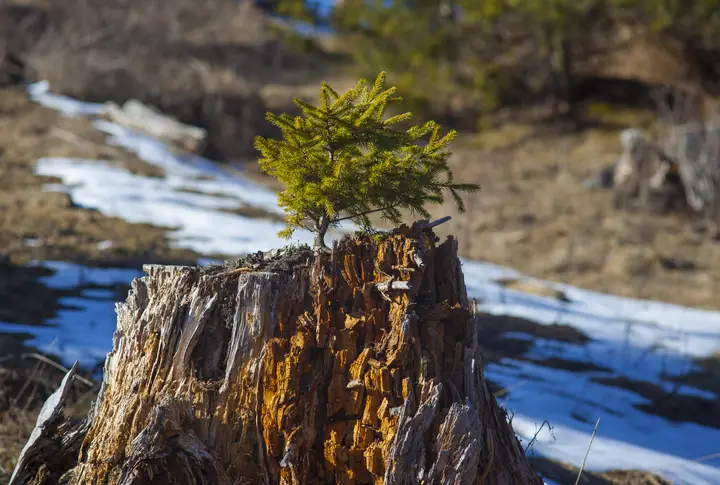
Removing suckers is only half the work. Addressing what is driving them in the first place is what makes the real difference over time. These steps focus on creating the conditions where sucker production naturally decreases.
Correcting Deep Planting and Soil Compaction
One of the most overlooked causes of persistent suckering is a tree planted too deeply. When soil covers the root collar, the flared transition zone between trunk and roots, it creates chronic stress.
If your tree has no visible root flare at the base, if the trunk goes straight into the ground like a telephone pole, it may be planted too deep. Carefully removing excess soil to expose the root collar is a meaningful corrective step.
Minimizing Tree Stress (Watering and Ongoing Care)
A well-hydrated tree is less likely to send out stress suckers. During dry stretches, deep and infrequent watering is much more beneficial than frequent shallow watering because it encourages roots to grow downward rather than laterally toward the surface. Avoid heavy pruning during summer heat or dormancy.
When large cuts are unavoidable, time them for late winter when the tree’s healing response is at its strongest. Ongoing support also matters, which is why After Plus ongoing care can help reinforce healthy recovery and long-term stability.
Root Barrier Installation for Aggressive Species
For trees known to produce extensive root suckers, silver maple, tree of heaven, poplar, and willow are common examples, a physical root barrier can help stop tree roots from growing into lawn areas or garden beds. These barriers can direct roots downward and away from sidewalks, and they are typically set 18 to 24 inches deep in the soil. Best installed at or shortly after planting, they can also be retrofitted around established trees with care.
When to Seek Professional Help
Some sucker problems are straightforward DIY jobs. Others are signs of something more serious going on beneath the surface. Knowing the difference can save both the tree and a lot of wasted effort.
Signs Your Tree is Fighting a Disease
If suckers appear alongside other symptoms, such as unusual leaf drop, sunken or cracked bark, or wood that feels soft beneath the surface, the suckering may signal a deeper health issue. Bacterial infections, fungal cankers, and root diseases can all trigger excessive shoot growth. Removing suckers in these cases treats the symptom but not the cause.
Why Frequent Sprouting Signals Structural Issues
A tree that keeps producing suckers despite repeated removal and good care is often telling you something. Chronic suckering can point to root damage from construction, buried debris in the soil, a graft failure, or early-stage decline. It is worth stepping back and asking whether the tree is thriving or struggling. The answer changes how you approach it.
How an Arborist Assessment Can Save the Tree
A certified arborist can evaluate the root system, identify whether grafted material has been compromised, and recommend a plan that addresses the root cause, not the visible shoots alone. Targeted soil remediation, deep root fertilization, or structural pruning can all significantly reduce suckering when the underlying issue is properly identified.
If you are seeing persistent sucker growth and are unsure what is driving it, arborist consulting can help clarify what is happening and what the tree actually needs.
What to Remember About Tree Sprout Control
Learning how to stop tree sprouts without killing the tree comes down to three things, understanding why they are appearing, removing them with the right technique, and addressing the underlying stress driving them.
Whether you are dealing with root suckers in the lawn, water sprouts on the trunk, or persistent regrowth from an old stump, there is a safe and practical path forward.
In most cases, consistent manual removal combined with mulching, proper watering, and reduced root stress will bring the problem under control over time. For trees that keep pushing back hard despite good care, that persistence is useful information, and a certified arborist can help identify what is actually happening and what the tree needs. The A Plus Tree team is here to help whenever you are ready.
FAQ About Tree Sprouts and Suckers
How to Stop Oak Tree Sprouts Naturally?
Remove sprouts manually at the origin point and mulch the root zone. Avoid digging around oak roots, since disturbance often triggers more suckering.
Can I Stop a Tree From Growing Without Killing It?
Yes. Licensed arborists can use growth regulators to slow shoot development without harming the tree when the situation calls for it.
Do Tree Suckers Mean the Tree Is Dying?
Not always. Suckers often appear after stress or pruning, but persistent growth with dieback or bark damage can point to decline.
Why Does Cutting Suckers Seem to Make More Grow Back?
Cutting too high leaves dormant buds behind. Remove suckers flush to the source, and persistent regrowth is usually reduced over time.
Is Vinegar Safe for Controlling Tree Sprouts?
No. Vinegar can damage any plant tissue it touches and is not a safe option around a living tree.
Will Removing Suckers Improve My Tree’s Health?
Usually, yes. Suckers divert energy from the canopy, so regular removal often supports better structure and vigor.
Get a Free Tree Assessment — No Obligation
Tell us about your tree. One of our ISA Certified Arborists will review your situation and get back to you within 24 hours.