
That tree near your driveway has been dropping limbs, blocking light, or simply outgrowing its spot, and you are ready to take it down. Before the saw comes out, one question deserves a clear answer: in much of California, the penalty for cutting a tree without a permit can reach into the thousands, and in extreme cases far higher.
If that feels stressful, it makes sense. The rules vary from one city to the next, and most homeowners have no easy way to know which trees are protected. The good news is that the rules are knowable, and a short check up front can save you serious trouble later.
This guide walks you through the fines, what to do if you have already cut, which trees you can remove freely, and how arborist consulting can help you stay within the rules.
A quick note before we start. We are arborists, not attorneys, so treat what follows as practical guidance rather than legal advice. Local ordinances change, and the safest move is always to confirm the current rules with your city or county.
What Is the Penalty for Cutting a Tree Without a Permit?
Penalties depend heavily on where you live, what kind of tree you removed, and whether the city considers the act careless or deliberate. Across California, consequences fall into three categories: financial fines, replacement or restoration requirements, and broader legal exposure. Understanding all three helps you see why a quick permit check is worth the small effort.
Common Fines and Financial Penalties
Most penalties start with a fine, and the range is wide. Some cities treat an unpermitted removal as a minor infraction with a modest citation. Others classify it as a misdemeanor or assess steep civil penalties calculated per tree.
San Jose, for example, states that it is illegal to prune or remove a heritage tree without first consulting the City Arborist and obtaining a permit, and that fines up to $30,000 per tree may apply. The amount usually climbs with the size, species, and protected status of the tree, and with any history of prior warnings.
And here is what this looks like in real life. In 2026, the Oakland City Council approved a fine of $915,135 against property owners who removed 38 protected trees on a hillside lot without permits, after the city had warned them repeatedly. It was reportedly the largest tree penalty in the city’s history. That case is unusual in scale, but it shows how quickly the numbers grow when multiple protected trees come down.
Tree Replacement and Restoration Requirements
A fine is often only part of the total cost. Many California cities also require you to replace what you removed, frequently at a ratio of two new trees for every protected tree taken out, or to pay an in lieu fee into a local tree fund. Replacement trees usually have to meet a minimum size, such as a fifteen-gallon specimen, and the city may inspect them later to confirm they survived.
If the city requires a replanting plan, professional tree planting and transplanting can help match the replacement tree to the site instead of treating replacement as a simple one-for-one swap.
Restoration can go further than planting. If removal caused erosion, damaged a protected root zone, or affected a neighbor’s property, you may be asked to repair the site as well. These requirements are designed to put the landscape back, not to punish for its own sake, but they add real cost and time to a project you thought was finished.
Legal Consequences Beyond Fines
In some cities, an unpermitted removal is a misdemeanor, which can carry the possibility of jail time in addition to a fine, even if that outcome is rare for a homeowner. More commonly, the lasting consequences appear in other ways. Cities can place a hold on building permits for the property, which stalls a remodel or new construction until the tree matter is resolved.
There is also a separate risk when neighboring or shared trees are involved. Under California Civil Code section 3346, a person who wrongfully cuts or injures a tree on someone else’s land can be liable for double the tree’s value, and triple the value if the act was willful. A mature tree can be appraised at tens of thousands of dollars, so a boundary mistake can become very costly.
The table below compares how four California jurisdictions handle unpermitted removal. Use it to see the range, then confirm the current figures for your own city, since ordinances are updated over time.
| Jurisdiction | What triggers a penalty | Typical financial exposure | Notable details |
| Oakland | Removing a protected tree without a permit (O.M.C. 12.36) | Penalties tied to the appraised value of each tree, with a 2026 case reaching $915,135 for 38 trees | Most eucalyptus and Monterey pine are exempt as invasive or fire hazards. Owners get 10 working days to appeal a violation notice |
| San Jose | Removing or pruning a heritage or street tree without a permit (Municipal Code Ch. 13.28) | Up to $30,000 per heritage tree, and up to $15,000 per street tree | Trees 38 inches or more in circumference are ordinance-size and need a permit plus a certified arborist report |
| Los Angeles (City) | Removing a protected native species (oak, black walnut, western sycamore, and others) without a permit | Misdemeanor: up to $1,000 and/or up to 6 months in jail, plus required replacement | Protection applies to listed native species 4 inches or more in diameter at breast height |
| Sacramento (City) | Removing or pruning a protected, heritage, or city tree without following the ordinance (Ch. 12.56) | Fines roughly $250 to $25,000. Administrative penalties can reach $25,000 per day a violation continues | Permits generally required for residential trees 6 inches in diameter or larger |
Figures reflect city ordinances and reporting as of 2026 and are summarized for comparison. Verify the current rules and amounts directly with the relevant city or county before acting.
Not sure if your tree needs professional attention?
A Plus Tree’s ISA Certified Arborists serve homeowners across the West Coast. A free assessment takes 15 minutes and gives you a clear answer.
I Already Cut a Tree Without a Permit: What to Do Now
If the tree is already down and you are concerned about the consequences, there is no need to panic. The situation is usually more manageable than it seems, especially if you respond promptly and document well. What you do in the first days matters more than the mistake itself.
First Steps if You Receive a Violation Notice
Read the notice carefully and note the deadline. Most cities give a short window, often around ten working days, to respond in writing or request a hearing, and missing that window can finalize the findings against you. Do not ignore it, and do not remove anything else from the property until the matter is resolved.
Then gather your records. Photos of the tree before removal, any signs of disease or hazard, communications with contractors, and the dates of the work all help. A good practical step is to write down a simple timeline while the details are fresh, because clear, calm documentation is your strongest asset in any review.
Can You Reduce, Appeal, or Settle a Tree Removal Fine?
In many cases, yes. Cities often have discretion, and a penalty that starts high can come down when the homeowner cooperates, shows the removal was not malicious, or demonstrates the tree was genuinely hazardous. Appeals and hearings exist precisely so that context can be weighed.
Settlement frequently involves agreeing to replacement plantings or paying a mitigation fee rather than fighting the full amount. The tone you bring helps. Arriving prepared, respectful, and ready to correct the situation is usually more effective than disputing every point. If the potential penalty is large, this is a reasonable moment to consult an attorney alongside an arborist.
How an Arborist Can Document and Support Your Case
A certified arborist can provide something a homeowner usually cannot: a professional, credible assessment of what the tree was and why it came down. If the tree was dead, structurally unstable, or diseased, an ISA-certified arborist can document that condition in a written report that a city will take seriously. An arborist can also appraise the tree’s value using recognized industry methods, which matters when penalties are tied to that figure, and help propose a replacement plan that satisfies the city.
Think of the arborist’s report as the expert testimony in your file, the part that turns your account from a personal claim into a documented, defensible record.
What Trees Can You Remove Without a Permit?
A common worry is that every tree is protected, and that simply is not the case. Many trees can come down with no permit at all. The key is knowing which categories are generally exempt, because the answer turns on the tree’s condition, the emergency, and sometimes its species.
If you are also weighing whether removal makes sense at all, review when tree removal may be the right choice before you focus only on permit status.
Dead, Dying, or Hazardous Trees
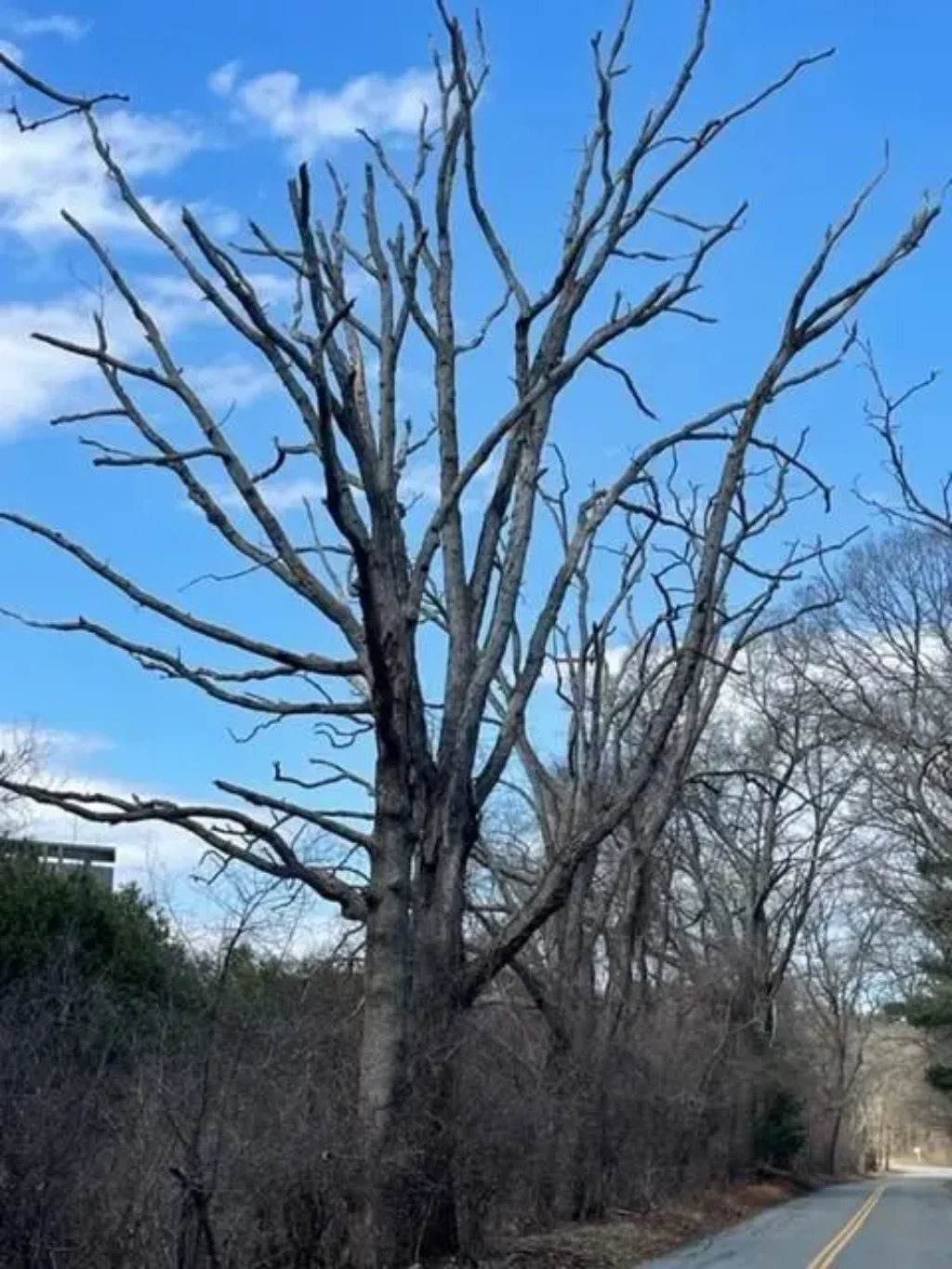
Many California cities allow removal of a tree that is dead, dying, or an imminent hazard, though the definition is stricter than most people assume. A tree you consider ugly or inconvenient does not qualify. The city is looking for genuine decline or structural failure, such as extensive dieback in the outer canopy, a major split in the trunk, or significant root or fungal damage.
Even here, do not assume a dead tree is automatically exempt. Several cities, including San Jose, require a permit for an ordinance-size tree even when it is dead, and may want a signed report from a certified arborist confirming the hazard before removal.
If you need a quick pre-check before calling the city, review the signs that a tree is dead. When in doubt, get the condition documented first, then remove.
Emergency Removals
When a tree has fallen on a structure, is actively failing, or poses an immediate threat to people, most cities allow you to act without waiting for a permit. Safety comes first, and the law generally recognizes that. If the situation cannot wait, emergency tree services can help address the immediate hazard. The key is what happens afterward.
After an emergency removal, expect to notify the city promptly and provide evidence of the emergency, such as photos and, ideally, an arborist’s account of the hazard. A good practical rule is to photograph everything before and after, because the burden of showing that the emergency was real falls on you, not the city.
Exempt or Invasive Species
Some species are excluded from protection because they are considered invasive or a fire risk. Oakland, for instance, generally exempts most eucalyptus and Monterey pine for that reason. Fruit trees, nursery stock, and certain non-native ornamentals are also commonly exempt from local ordinances.
Species rules are very local, though, and a tree that is unprotected in one city may be protected in the next town over. Confirm your specific tree against your city’s list rather than assuming a species is safe to remove. A two-minute check beats a four-figure surprise.
Can You Cut Down a Tree on Your Own Property?
This is the question most homeowners really want answered: Can I cut down a tree on my property whenever I choose? Ownership of the land does not automatically grant the right to remove everything growing on it. Whether you can proceed depends on the tree’s species, size, location, and protected status, so let us walk through where the lines fall.
When Property Ownership Does and Doesn’t Allow Removal
If a tree on your land is not protected by species, not over the size threshold your city sets, and not in a regulated location, you can usually remove it freely. Plenty of backyard trees fall into this group, and no permit is needed.
Ownership stops being the deciding factor when local protected tree or shrub regulations apply, when the tree is a designated heritage tree, larger than the local diameter limit, or sitting in a regulated zone such as a creek setback. In those cases the tree is protected regardless of who owns the soil beneath it.
Boundary and Overhanging Trees
A tree whose trunk straddles the property line is, under California law, owned in common by both neighbors, and neither owner can remove or seriously harm it without the other’s consent. Cutting a shared tree on your own can expose you to a civil claim for the neighbor’s share of its value.
Overhanging branches follow a different but related rule. You may trim branches and roots that cross onto your property, but only up to the property line and only to the extent that you do not damage or kill the tree. Go beyond the property line, and you risk the double and triple damages described earlier.
When Removal Crosses Into Illegal
Removal becomes illegal when you take down a protected, heritage, or street tree without the required permit, when you remove or fatally damage a neighbor’s tree or a shared boundary tree, or when you act despite a clear warning from the city. The presence of prior warnings is something cities weigh heavily, and it can turn a manageable penalty into a severe one.
The line is not always obvious from the yard, which is exactly why a quick verification step protects you. The cost of checking is close to nothing. The cost of guessing wrong can be substantial.
Common Homeowner Misconceptions
A few beliefs get people into trouble again and again. It helps to name them plainly:
- “It’s my property, so it’s my tree.” Ownership does not override species, size, or location protections.
- “It’s dead, so I don’t need a permit.” Many cities still require a permit and documentation for dead protected trees.
- “My contractor handles the permits.” Responsibility usually stays with the property owner, regardless of who does the cutting.
- “No one will notice one tree.” Cities track canopy with aerial imagery, and neighbors report removals more often than people expect.
If any of these sound familiar, that is understandable. They are common precisely because the rules are not intuitive.
How to Verify Permit Rules Before You Cut
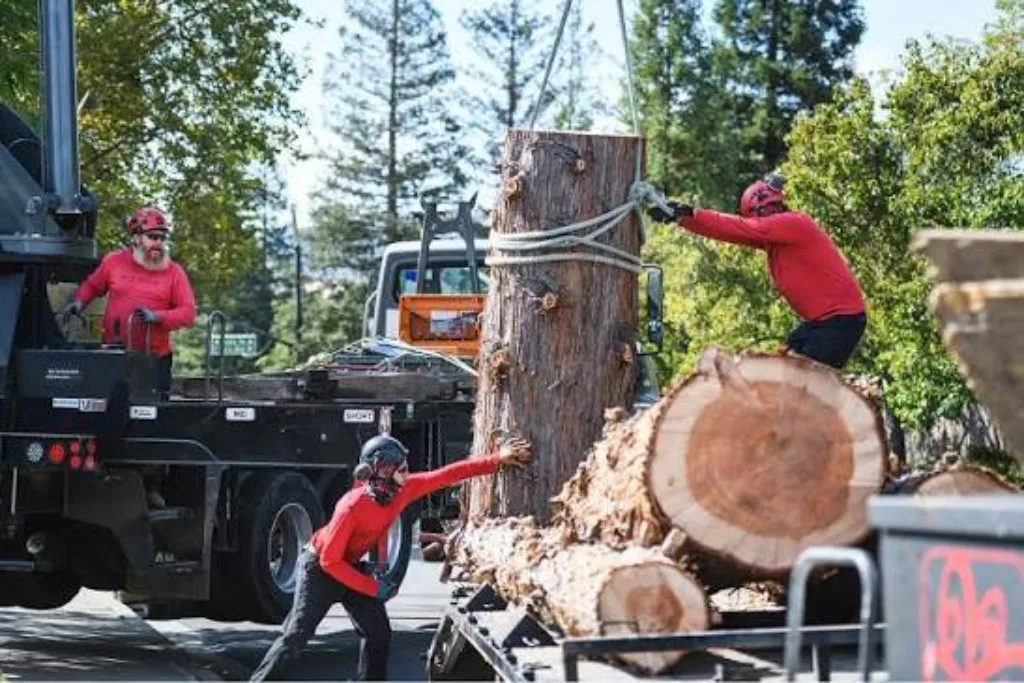
So, do you need a permit to cut down a tree? The honest answer is that it depends, and the only reliable way to know is to check before the work begins. This should happen before you schedule professional tree removal, even if the tree looks like a clear candidate.
Verification takes three simple passes: your city and county rules, any community restrictions, and your actual property boundaries. Here is how to work through each one.
Check City and County Regulations
Start with your city’s planning, public works, or urban forestry department, which is where tree ordinances usually live. Look for the protected species list, the size threshold that triggers a permit, and any rules tied to your tree’s location. If your property is in an unincorporated area, the county rules apply instead of a city’s.
A quick phone call or a visit to the department’s website usually answers the core question fast. Ask directly whether your specific tree, by species and trunk size, requires a permit. Getting that answer in writing, even a short email, is worth the small extra effort.
Review HOA and Community Restrictions
City permission is not the only consideration. If you live in a homeowners association, your CC&Rs (the community’s recorded covenants, conditions, and restrictions) may regulate tree removal independently, and an HOA can require its own approval even when the city does not. Skipping that step can lead to fines or a forced replanting under the association’s rules.
Review your governing documents or ask your HOA board before scheduling any work. Community-level rules are easy to overlook because they feel separate from city law, yet they carry real weight and their own penalties.
Confirm Property Boundaries
Before a single cut, be certain the tree is fully on your land. Fences are not always on the legal line, and a tree you have mowed around for years may belong partly to a neighbor. If there is any doubt, check your property survey or have the boundary confirmed.
This step protects you from the most expensive mistakes, the ones involving shared or neighboring trees and the enhanced damages that come with them. A clear boundary is cheap certainty.
Permit Verification Checklist
Run through this before any removal:
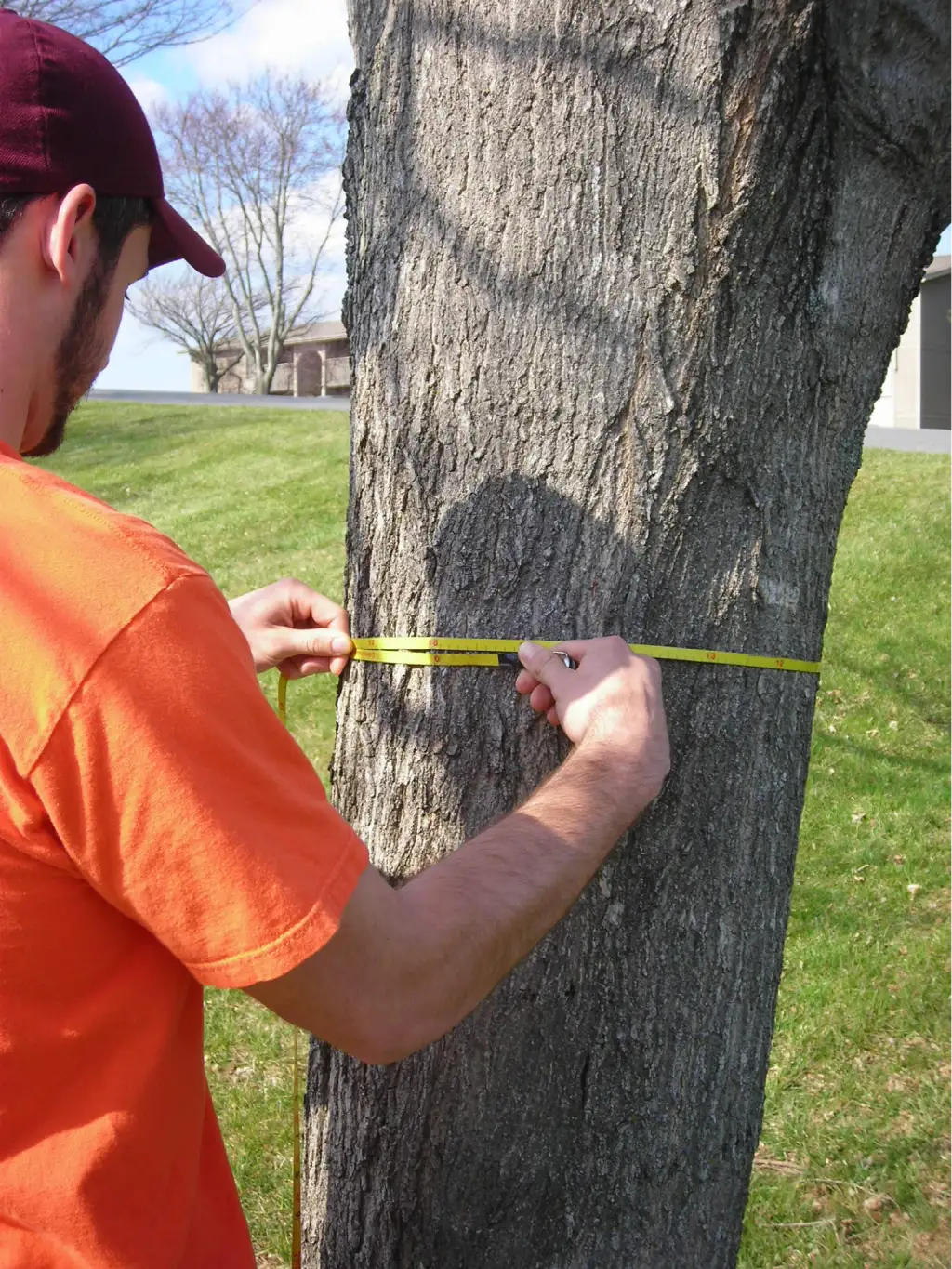
- Identify the tree’s species and measure its trunk diameter at 4.5 feet above the ground.
- Check your city or county protected species list and size threshold.
- Confirm whether the tree is a heritage, street, or boundary tree.
- Ask the city directly whether a permit is required for your specific tree, and request the answer in writing.
- Review HOA or community CC&Rs for separate restrictions.
- Verify the tree sits entirely on your property using a survey if needed.
- If the tree may be hazardous, get an ISA-certified arborist assessment on file.
- Keep dated photos of the tree and its condition before any work.
How a Certified Arborist Helps You Avoid Permit Violations
Most permit problems come from not knowing what a tree is or whether it qualifies for removal, and that is precisely the gap a certified arborist fills. Bringing in a professional before you cut turns guesswork into a documented, defensible plan. Two services matter most here.
Tree Risk and Health Assessments
Through professional tree health care, an ISA-certified arborist can evaluate whether a tree is genuinely hazardous, declining, or healthy, using consistent professional standards rather than a homeowner’s best guess. That assessment tells you whether your tree likely qualifies for a hazard exemption or whether a standard permit is the right path.
The written report also gives the city a credible basis to act on. When a removal is supported by a professional risk assessment, the process tends to move faster and with far less friction. It is the difference between saying a tree was dangerous and proving it.
Identifying Protected Trees and Handling Documentation
Species identification is harder than it looks, and the protected list is exactly the kind of detail homeowners get wrong. An arborist can confirm whether your tree is a protected native species, measure it correctly against the local threshold, and prepare the arborist report many cities require with a permit application.
An arboritst can also manage the paperwork that homeowners find confusing, from the application itself to the replacement plan and post-removal documentation. Handing that work to a professional removes the guesswork and keeps your project compliant throughout.
Tree Removal Decision Flow
Before you remove a tree, work through these steps in order:
- Confirm who owns the tree.
If the tree is not fully on your property, stop here. A shared boundary tree or a tree on a neighbor’s land should not be removed without written neighbor consent or a confirmed property survey.
If the tree is fully on your property, move to the next step.
- Check whether the tree is protected.
Look for the main permit triggers: protected species, heritage status, street tree status, regulated location, or a trunk size above your city’s threshold.
If you are not sure what species the tree is or how large it is under local rules, have an ISA-certified arborist identify and measure it before you cut.
- If the tree is not protected, check HOA rules.
If the tree does not fall into a protected category, you can usually remove it under city rules. Still, review your HOA or community restrictions before scheduling the work.
- If the tree is protected, decide whether it is an emergency.
If the tree has fallen, is actively failing, or is threatening people or structures, act first for safety. Take clear photos before and after the work, keep all records, and notify the city as soon as possible afterward.
If it is not an active emergency, do not cut yet.
- Apply for the permit before removal.
For protected, heritage, street, or ordinance-size trees, submit the required permit application before any cutting begins. If your city requires an arborist report, include it with the application.
Final Takeaway: Check the Rules Before You Remove a Tree
The penalty for cutting a tree without a permit in California ranges from a small citation to fines in the tens or even hundreds of thousands of dollars, plus replacement requirements and, in shared-tree cases, double or triple damages. The pattern across every city is the same: the trouble comes from removing a protected tree without checking first. Verify your city and county rules, confirm any HOA restrictions, and make sure the tree is fully yours.
When the tree’s status or condition is unclear, a quick assessment from an ISA-certified arborist gives you a documented answer and keeps your project clean. If you are weighing a removal and are not certain where your tree stands, we are glad to assess it and help you find the right, compliant path forward.
Frequently Asked Questions
Will I Get Caught if I Cut Down a Tree Without a Permit?
Often, yes. Neighbors report removals, and many cities track tree canopy through aerial imagery. Violations also surface later during property sales, building permit applications, or routine inspections.
How Much Does a Tree Removal Permit Cost?
It varies widely by city. Some street tree permits are free, while protected or heritage tree permits can run a few hundred dollars, plus any required arborist report.
Can I Be Forced to Replace a Tree I Removed Illegally?
Yes. Many California cities require replacement plantings, often two or more trees for each one removed, or an in lieu fee paid into a local tree fund.
Am I Still Liable if a Contractor Cut the Tree Without Mentioning a Permit?
Usually, yes. As the property owner, you remain responsible for permits. You may share liability with the contractor, but cities typically cite the owner first, so confirm permits yourself.
Can I Cut Down a Tree on My Own Property in California?
Sometimes. If the tree is not a protected species, not over your city’s size limit, and not in a regulated location, you can. Protected, heritage, and street trees need permission.
Get a Free Tree Assessment — No Obligation
Tell us about your tree. One of our ISA Certified Arborists will review your situation and get back to you within 24 hours.