
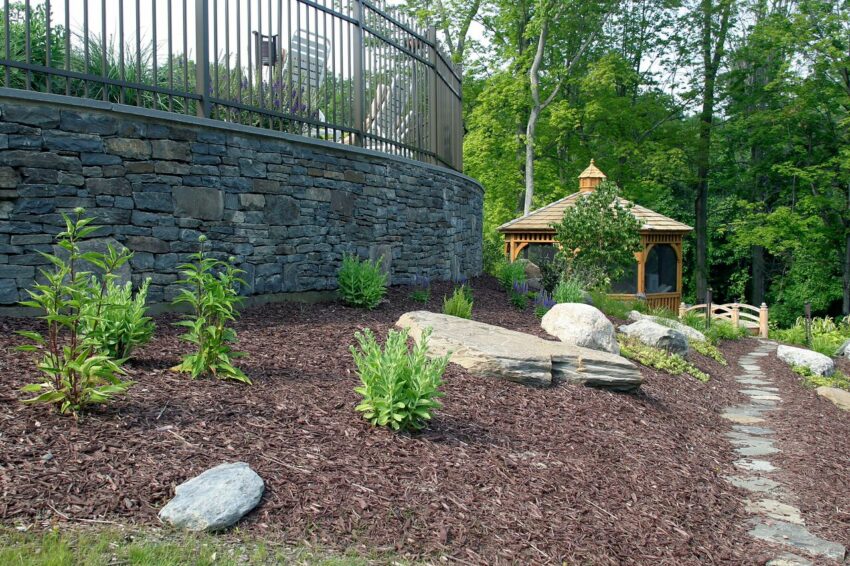
Every fall, one tree in the neighborhood outshines everything around it. While the others fade to a tired brown, that one lights up in deep, glowing red and makes you wonder what it is and whether you could grow one too. Plenty of homeowners have stood in their yard wishing for exactly that kind of color.
The good news is that brilliant fall color is not luck. It comes down to choosing the right species for your climate, your space, and your soil. This guide walks through 15 of the best trees that turn red in fall, explains why some trees turn red while others turn orange or yellow, and helps you match a tree to your specific yard. By the end, you will know which trees turn red in the fall in your region and how to help the one you plant reach its full color.
Our experience with tree planting and transplanting services informs the choices below, which reflect what performs well in real landscapes across a range of conditions.
Why Do Some Trees Turn Red in Fall?
Before we get to the list, it helps to understand what is happening inside the leaf. The color you see in October is the result of a slow chemical handoff that begins weeks earlier, and knowing how it works explains why the same tree can look different from one year to the next.
What Causes Trees to Turn Red, Orange, or Yellow?
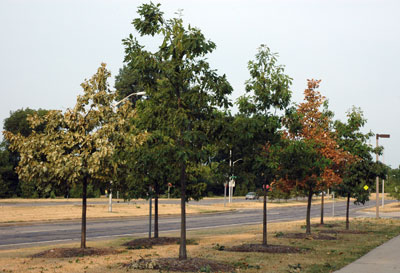
All summer, leaves are packed with chlorophyll, the green pigment that powers photosynthesis. Think of chlorophyll like a coat of green paint spread across the whole leaf. It is so dominant that it hides every other color underneath.
As days shorten and nights cool, the tree stops making chlorophyll and the green fades. That is when the pigments that were there all along finally show through. Carotenoids produce the yellows and oranges. Reds and deep purples come from high concentrations of anthocyanin pigments, which many trees actually produce fresh in fall when sunny days and cool nights trigger the right conditions.
Here is what this looks like in real life. Two red maples on the same street can turn at slightly different times and slightly different shades, because one gets more afternoon sun or drier soil than the other. The species sets the potential, and the weather decides how far that potential goes.
Do All Trees Turn Red in the Fall?
No. Many trees are built to turn yellow or orange and will never produce much red no matter how perfect the season is. Birches, poplars, and many ashes lean gold, because they rely mostly on carotenoids and produce little anthocyanin.
Red is a more specific outcome. It shows up strongly in species like red maple, black tupelo, and scarlet oak, and it depends on both genetics and weather. A good practical rule is that if you want dependable red, you choose a species known for it rather than hoping an average tree surprises you.
Not sure if your tree needs professional attention?
A Plus Tree’s ISA Certified Arborists serve homeowners across the West Coast. A free assessment takes 15 minutes and gives you a clear answer.
15 Best Trees That Turn Red in Fall
Here are 15 trees with red fall color that consistently deliver, from compact options for a tight side yard to full-size shade trees. Each entry covers the color you can expect, the size, and the conditions the tree prefers, so you can shortlist the ones that fit your property.
Red Maple (Acer rubrum)
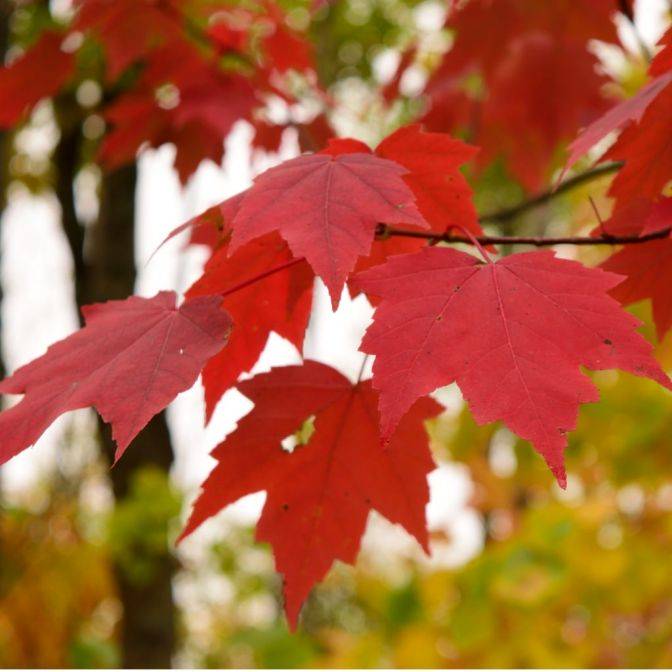
Red maple is the classic answer to what trees turn red in the fall, and for good reason. It produces some of the most reliable red color of any tree, ranging from bright scarlet to deep crimson, and it adapts to a wide range of soils, including wet spots where other trees struggle.
It grows at a moderate to fast pace and reaches 40 to 60 feet, which makes it a strong shade tree as well as a color tree. It performs across USDA zones 3 through 9. If you want one dependable choice and have the room, this is often it.
Japanese Maple (Acer palmatum)
Japanese maple delivers the deepest, most refined red on the list, often a rich crimson or burgundy that glows when the light passes through it. It stays small, usually 6 to 25 feet depending on the variety, which makes it ideal for courtyards, entryways, and smaller yards.
It prefers dappled or afternoon shade and protection from harsh wind, and it thrives in zones 5 through 8. Growth is slow to moderate, so you are planting for a long, elegant payoff rather than a quick one.
Black Tupelo / Black Gum (Nyssa sylvatica)
If you want truly vivid red, black tupelo is one of the best trees you can plant. It turns early and often carries scarlet, crimson, orange, and yellow on the same tree at once, giving it a layered, glowing look.
This native tree reaches 30 to 50 feet, grows at a slow to moderate rate, and tolerates wet soil well. It suits zones 4 through 9 and rewards patience with exceptional color.
Sourwood (Oxydendrum arboreum)
Sourwood is a quieter native that turns a deep, wine-toned red in fall, often while still holding its drooping clusters of seed capsules. It is a smaller tree, typically 20 to 30 feet, which makes it a good fit for yards that cannot host a large canopy.
It prefers acidic, well-drained soil and full sun to part shade, and it grows slowly across zones 5 through 9. The slow pace is worth it for one of the more graceful red-color natives available.
Scarlet Oak (Quercus coccinea)
Scarlet oak earns its name. It turns a vivid, long-lasting red that holds later into the season than many trees, which extends your color window well into late fall.
This is a large shade tree, reaching 60 to 70 feet, so it needs space. It grows at a moderate to fast rate, prefers well-drained sandy or acidic soil, and does well in zones 4 through 9. For a big yard that needs both shade and drama, few trees compete.
White Oak (Quercus alba)
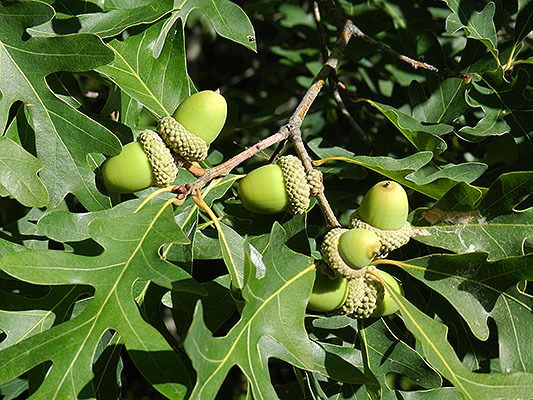
White oak offers a more understated red, shifting to russet and deep wine tones rather than bright scarlet. It is a slow grower and a true long-term investment, but it becomes a majestic, broad-canopied tree that can outlive the people who plant it.
Expect a mature height of 50 to 80 feet and a wide spread, so this one is for larger properties. It is hardy across zones 3 through 9 and rewards the wait with structure and color together.
Dogwood (Cornus florida)
Flowering dogwood is loved for its spring blooms, but its fall color is an equally strong feature, turning red to reddish-purple as the season cools. It also sets bright red berries that birds favor, which adds movement and life to the display.
As an understory tree, it stays small at 15 to 30 feet and prefers part shade and moist, well-drained soil. It suits zones 5 through 9 and works beautifully near a patio or under taller trees.
Sweetgum (Liquidambar styraciflua)
Sweetgum produces a broad mix of color, often carrying red, purple, orange, and yellow on a single tree in a striking mosaic. It grows fast and large, reaching 60 to 75 feet, so it fills space quickly.
One thing to plan for is the spiky seed balls it drops, which can be a nuisance on lawns and walkways. If that trade sounds acceptable, it thrives in zones 5 through 9 and displays some of the most varied fall color you can grow.
Sugar Maple (Acer saccharum)
Sugar maple is the tree most people picture when they think of classic fall color, though its palette leans toward orange and red-orange, with some trees reaching true scarlet. It is a large, stately shade tree at 60 to 75 feet.
It needs cool nights to color well and does not handle heat or urban stress as gracefully as red maple, so it performs best in zones 3 through 8. In the right climate, it is unforgettable.
Persian Ironwood (Parrotia persica)
Persian ironwood is an underused option that turns a blend of red, orange, purple, and gold, often lighting up in waves across the canopy. It is tough, disease-resistant, and forgiving, which makes it a low-worry choice.
It reaches 20 to 40 feet, grows slowly to moderately, and adapts to a range of soils in zones 4 through 8. If you want strong color without much fuss, this tree delivers.
Red Rocket Crape Myrtle (Lagerstroemia)
Red Rocket crape myrtle gives you two seasons of red, with bright red summer flowers followed by red-toned fall foliage. It stays compact, usually 15 to 20 feet, so it fits smaller and mid-size yards well.
It loves full sun and heat and performs best in zones 6 or 7 through 9, making it a natural pick for warmer southern landscapes. Growth is fairly quick, so you see results sooner than with many trees here.
Persimmon (Diospyros virginiana)
American persimmon turns warm shades of red, orange, and yellow in fall while carrying its edible orange fruit into the season. It is a native, wildlife-friendly tree that reaches 35 to 60 feet.
It adapts to poor and dry soils, grows at a moderate pace, and suits zones 4 through 9. If you like the idea of color and a harvest from the same tree, persimmon is a rewarding choice.
Vine Maple (Acer circinatum)
Vine maple is a Pacific Northwest native that turns brilliant red and orange, especially when it gets some direct light. It is small and often multi-stemmed, usually 10 to 20 feet, which makes it a natural understory and small-yard tree.
It prefers part shade and moist, well-drained soil and thrives in zones 5 through 9. For a shaded Northwest landscape, it brings color where many larger trees will not fit.
Serviceberry (Amelanchier spp.)
Serviceberry gives you something in nearly every season, with spring flowers, summer berries, and fall foliage that ranges from orange to deep red. It grows as a large shrub or small multi-stemmed tree, typically 15 to 25 feet.
This native adapts to many soils, tolerates part shade, and performs across zones 4 through 9. It is an easy, versatile pick for smaller spaces that need year-round interest.
Chinese Pistache (Pistacia chinensis)
Chinese pistache is one of the best fall-color trees for hot, dry regions, turning brilliant red and orange even where cooler-climate trees disappoint. It is drought-tolerant once established and tolerates tough urban conditions well.
It reaches 30 to 40 feet, provides good shade, and grows at a moderate rate in zones 6 through 9. For California and other warm, dry landscapes, this is an excellent choice.
How Arborists Choose the Right Fall-Color Tree
Picking a tree for its color is the enjoyable part, but the tree still has to survive and thrive in your yard for decades. For properties with more complex conditions, a professional arborist site assessment can identify important risks and constraints. For a straightforward choice, start with the three practical questions below.
Consider Your Climate and Hardiness Zone
The single most important factor is whether a tree can handle your winters and your summers. The USDA Plant Hardiness Zone Map groups locations by average annual extreme minimum winter temperature, making your zone a useful first filter.
A sugar maple that dazzles in a cool northern climate will struggle in a hot southern one. Check your zone first, then shortlist only the trees rated for it. This one step prevents most disappointments.
Match the Size and Growth Rate to Your Space
A young tree in a pot gives no hint of how large it will become. Before planting, consider how mature tree size and roots affect your foundation, then measure the distance to your house, fence, sidewalk, and any overhead power lines.
A helpful way to picture it is to imagine the tree at full size casting shade at 3 p.m. in July. If that canopy would crowd your roof or your neighbor’s yard, choose a smaller species. Growth rate matters too, since a fast grower fills space sooner but often needs more early pruning.
Understand Sun, Soil, and Water Requirements
Every tree on this list has preferences for light, soil, and moisture, and meeting them is what unlocks strong color. A Japanese maple that wants afternoon shade will scorch in full western sun, and a scarlet oak that wants well-drained soil will suffer in a soggy low spot.
Before you buy, check how much sun the planting area gets, dig down a few inches to feel whether your soil is sandy, loamy, or heavy clay, and note how quickly water drains. Matching the tree to those conditions does more for fall color than any product you can buy.
Which Tree Is Right for Your Landscape?
Different yards call for different trees, so here is a quick way to narrow the list based on what matters most to you. Use these picks as a starting point, then confirm the choice against your own zone and soil.
Best Tree for Small Yards
Japanese maple is the top choice for tight spaces, staying compact while delivering the deepest red on the list. If you want a native alternative, serviceberry and vine maple also stay small and bring strong color.
Best Shade Tree With Red Fall Color
Red maple is the strongest choice here, combining reliable red with a broad, cooling canopy. Scarlet oak is an excellent second option if you have the room for a larger tree and want color that lingers late.
Fastest-Growing Tree With Red Fall Leaves
Red maple grows quickly and colors reliably, which makes it the practical winner. Sweetgum grows even faster and offers vivid color, as long as you are prepared for the spiky seed balls it drops.
Best Low-Maintenance Choice
Persian ironwood asks very little once established and resists most pests and diseases while still coloring beautifully. Black tupelo is another sturdy, low-worry native that rewards patience with brilliant red.
Best Native Trees for Fall Color
For homeowners who want to support local ecosystems, black tupelo, sourwood, scarlet oak, dogwood, serviceberry, and persimmon are all excellent native trees with red fall color. Native trees tend to handle regional conditions with less intervention, which usually means healthier trees and more consistent color.
Best for California and the Pacific Northwest
For California and other hot, dry regions, Chinese pistache is the strongest choice, with dependable red even in tough conditions. For the Pacific Northwest, vine maple is the natural fit, bringing red and orange to shaded, moist landscapes.
How to Help Your Tree Produce Its Best Fall Color
A great species gives you the potential for color, but care during the year decides how much of that potential you actually see. None of this is a magic switch. It comes from steady attention over time and a few essential tree care dos and don’ts, including the habits below.
Water Consistently During Dry Periods
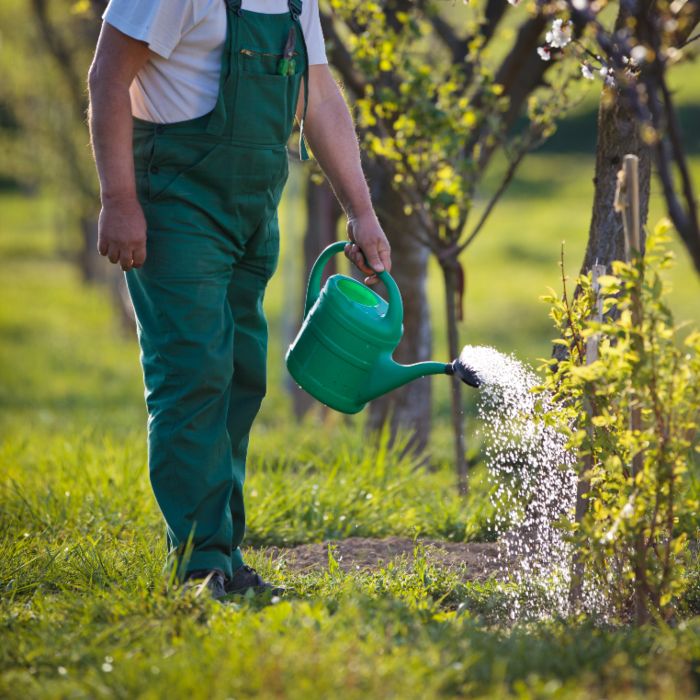
A tree under drought stress often drops its leaves early or turns a dull, muddy color instead of a clean red. Consistent moisture through summer and early fall keeps the leaves healthy long enough to color well.
During dry stretches, water deeply across the entire root zone rather than watering lightly every day, so moisture reaches the soil where the tree can use it. When ordinary surface irrigation cannot reach the active root zone, supplemental deep watering can deliver moisture below the surface where the tree needs it.
Improve Soil Health
Healthy soil feeds a healthy tree, and a healthy tree colors better. A two to three inch layer of mulch over the root zone conserves moisture, moderates soil temperature, and feeds the soil as it breaks down.
Keep the mulch pulled back a few inches from the trunk flare, since piling it against the bark invites rot and pests. A tree fertilization plan based on soil needs should also account for timing, because a heavy late-season application can push new growth, delay dormancy, and mute color.
Avoid Excessive or Poorly Timed Pruning
Pruning at the wrong time stresses a tree and can remove the very branches that would have carried your fall display. Heavy pruning in late summer or early fall is especially risky.
The safer window for most trees is during dormancy in late winter. If you are unsure what a specific tree needs, professional tree pruning and trimming can help determine the right timing and avoid unnecessary stress.
Reduce Stress From Pests and Diseases
A tree fighting pests or disease puts its energy into survival, not into a brilliant fall show. Watch the outer canopy through the growing season for early leaf drop, spotting, or thinning, and act while problems are small.
Check weekly and look for patterns rather than reacting to a single odd leaf. Catching an issue early is far easier than reversing a heavy infestation, while proactive tree health care can address pests, diseases, soil problems, and environmental stress before decline spreads.
Avoid Common Planting Mistakes That Reduce Fall Color
Many color problems trace back to the day of planting. Planting too deep, burying the trunk flare, or leaving nursery stakes and ties on too long all stress a young tree and weaken its display for years.
Follow recommended planting depth and staking practices by setting the trunk flare just above the soil surface, watering the tree in well, and removing stakes once it can stand on its own, usually within a year. Good planting sets up strong roots, and strong roots are what carry great color later.
Choose the Tree That Will Thrive in Your Landscape
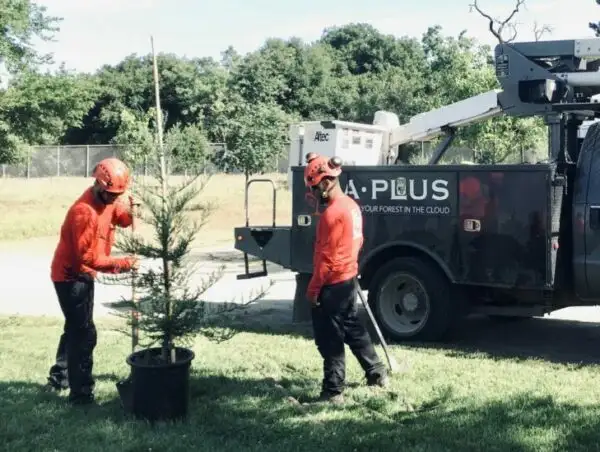
Brilliant fall color starts with a simple decision, which is choosing a tree that suits your climate, your space, and your soil. Whether you are drawn to the dependable scarlet of a red maple, the deep crimson of a Japanese maple, or the layered glow of a black tupelo, the right pick will reward you every autumn for decades.
Match the species to your zone first, plan for its mature size, and give it consistent care through the year. Do those things, and a healthy tree with red fall color becomes one of the most satisfying features of your whole property. If you would like help selecting or planting the right tree for your yard, our arborists are glad to help.
Frequently Asked Questions
Which Trees Turn the Brightest, Most Reliable Red?
Red maple gives the most dependable bright red. Japanese maple offers the deepest crimson on a smaller scale, while sugar maple leans orange-red and needs cool nights for true scarlet.
Which Trees Turn Red and Orange in the Fall?
Trees that turn orange in fall alongside red include black tupelo, sweetgum, Persian ironwood, persimmon, and serviceberry, often carrying both colors on the same tree at once.
Why Didn’t My Tree Turn Red This Year?
Warm nights, drought stress, cloudy weather, or too much shade can all mute red color. The tree is usually fine and often colors better the following, cooler and sunnier season.
Does Fall Color Change From Year to Year?
Yes. Color shifts with each season’s weather, since sunny days, cool nights, and steady moisture produce the brightest reds, while warm or dry autumns tend to look duller.
What Is the Best Red Fall Tree for California or the Pacific Northwest?
Chinese pistache is the best choice for California and hot, dry regions, while vine maple suits the shaded, moist conditions of the Pacific Northwest with strong red and orange.
When Do Trees Turn Red in Fall?
Most trees turn red between late September and early November, depending on your climate. Cooler regions color earlier, and warmer regions often peak in mid to late fall.
Get a Free Tree Assessment — No Obligation
Tell us about your tree. One of our ISA Certified Arborists will review your situation and get back to you within 24 hours.