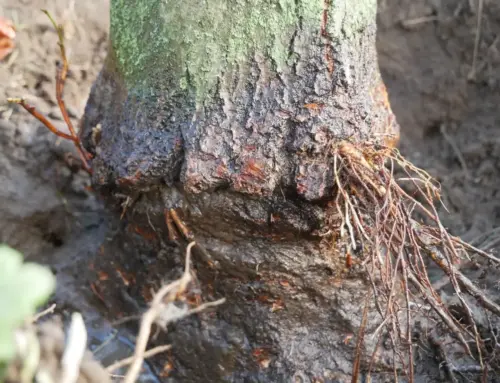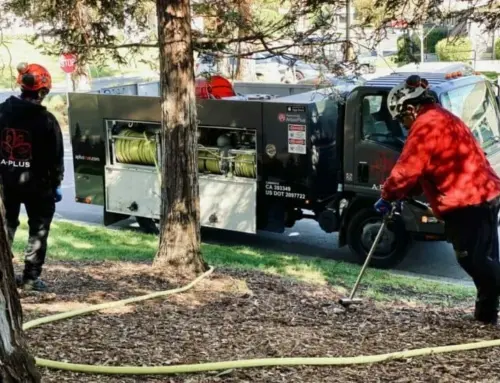

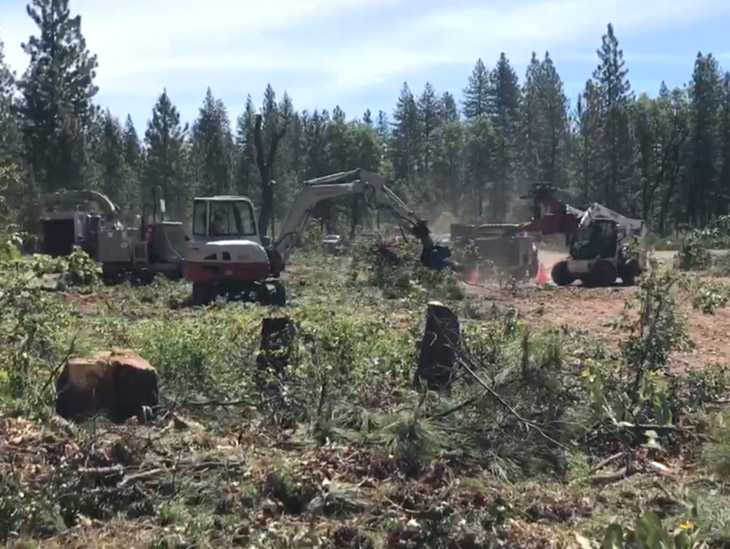
Overgrown branches leaning into a power line, a hillside of dry brush behind a building, a walking path slowly swallowed by shrubs. These are the moments when property owners start asking what vegetation management actually involves.
Vegetation management is the planned, ongoing work of controlling trees, brush, and other plant growth so a property stays safe, functional, and healthy over time. It covers everything from pruning branches away from utility lines to clearing fire-prone brush and keeping invasive plants in check.
For utilities, cities, HOAs, commercial sites, and homeowners across the West Coast, this kind of work is a safety and reliability program, not a one-time cleanup.
A Plus Tree builds and runs these programs through dedicated vegetation management services for properties large and small, matching the level of care to the real risks on the ground.
Quick Answer: What Is Vegetation Management?
Vegetation management is the practice of controlling the growth, health, and placement of trees, shrubs, brush, and grasses on a property or right-of-way. The goal is to reduce safety and fire risks, protect infrastructure like power lines and roads, and keep landscapes healthy. It combines methods such as pruning, tree removal, brush clearing, and targeted vegetation control, usually on a repeating schedule rather than a single visit.
Not sure if your tree needs professional attention?
A Plus Tree’s ISA Certified Arborists serve homeowners across the West Coast. A free assessment takes 15 minutes and gives you a clear answer.
Why Is Vegetation Management Important?
Plants grow whether or not anyone is watching, and that steady growth is exactly what turns vegetation into a long-term risk. Left alone, a manageable shrub becomes a fire ladder, and a young branch reaches into a power line.
Managing vegetation on a schedule keeps small issues small before they turn into expensive or dangerous ones. The benefits fall into a few clear areas: public safety, reliable utilities, wildfire prevention, and healthier landscapes.
Protecting Public Safety and Property
Overgrown and failing vegetation creates real hazards for people and structures. A dead limb over a parking lot, roots lifting a sidewalk, or branches blocking a stop sign can each lead to injury or property damage. Regular management removes these hazards before they cause harm.
Here is what this looks like in real life: on a shared HOA walkway, a crew might remove low limbs at head height, clear a shrub crowding a stairwell, and flag a leaning tree for closer assessment, all in one visit. The result is a property that stays usable and carries less liability for whoever owns it.
Preventing Power Outages and Utility Disruptions
Trees and power lines share a lot of space, and that overlap is one of the most common causes of outages. When a branch grows into a conductor or falls during a storm, it can short the line, trip equipment, and leave a neighborhood without power. Keeping vegetation clear of lines protects both the hardware and the people who depend on it.
For utilities, this steady clearance work is the core of a vegetation management program, keeping electricity flowing and crews out of constant emergency response.
Supporting Wildfire Prevention
In fire-prone regions, vegetation is fuel. Dry grass, dead brush, and low branches give a fire the ladder it needs to climb from the ground into tree canopies and toward buildings. Think of it like clearing kindling away from a campfire before you light it: the less continuous fuel there is, the harder it is for flames to spread.
Reducing and spacing out that vegetation is consistent with California’s defensible-space guidance for slowing wildfire spread and gives firefighters room to work. Across California and the Pacific Northwest, this work has become a central part of protecting homes and communities.
Preserving Healthy Landscapes and Ecosystems
Good vegetation management improves the health of the plants that stay. Thinning a crowded stand of trees gives the survivors more light, water, and root space, so they grow stronger and live longer. Removing invasive species lets native plants recover and supports the insects and wildlife that depend on them. Done well, the work leaves a landscape that looks intentional and functions as a healthier system, season after season.
Vegetation Management Methods and Solutions
There is no single tool that handles every situation, so effective vegetation management solutions combine several methods matched to the site. A crew reads the property first, then chooses the approach that solves the problem with the least disruption. Most programs draw from the same set of building blocks, often using several together in one plan.
Tree Pruning and Directional Pruning
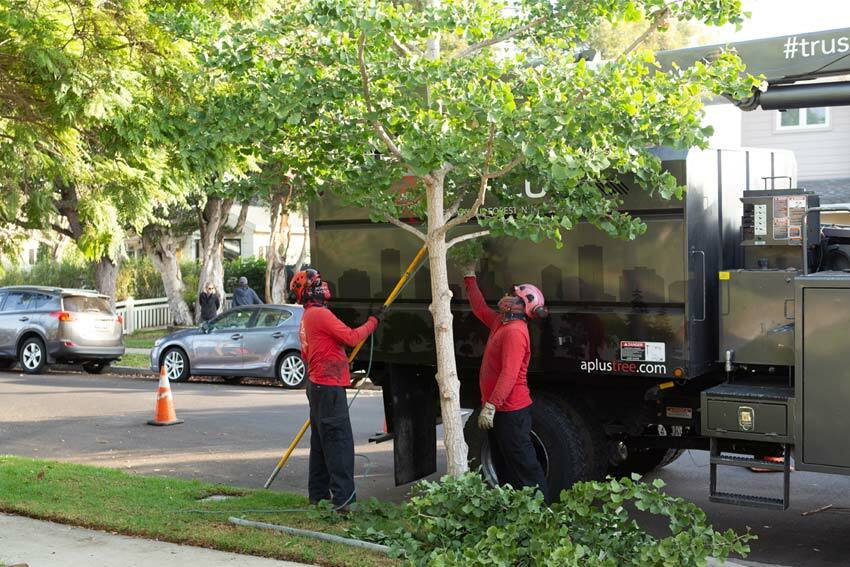
Pruning is the careful removal of specific branches to improve safety, structure, or clearance. Directional pruning takes this further by training a tree to grow away from a target, such as a power line or a building, instead of topping it or cutting it back to stubs. A helpful way to picture it is guiding a plant the way you would stake a young tree to grow straight: you work with its natural form rather than against it.
Skilled tree pruning and trimming keeps trees healthy while steering future growth in a safer direction. Topping tends to trigger weak, fast regrowth and creates more problems over time, which is why arborists steer away from it.
Tree Removal
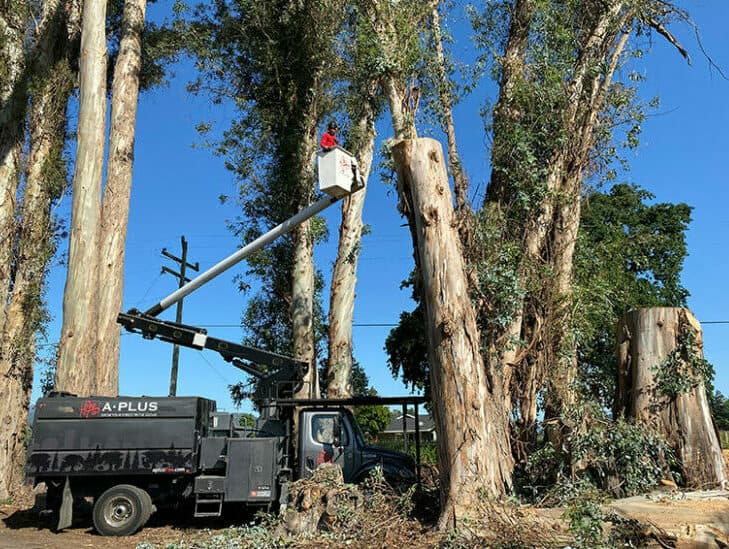
Some trees are too hazardous, too damaged, or too poorly placed to keep. Removal is the right call when a tree is dead, structurally unsound, or growing somewhere it will always conflict with infrastructure. Because removals involve heavy limbs, saws, and often work near lines or structures, they are a task for trained crews rather than a weekend DIY project.
When a tree threatens a building or a power line, professional tree removal protects both the property and the people nearby. A stump left behind can be ground out afterward so the space becomes usable again.
Brush Clearing and Mowing
Brush clearing and mowing handle the low, dense growth that builds up along fence lines, slopes, roadsides, and open lots. That growth includes tall grass, shrubs, saplings, and the tangled undergrowth that becomes fire fuel or hides other hazards. On larger sites, crews may use mowers, string trimmers, and chippers to bring an overgrown area back to a maintained state. The goal is a clean, defensible ground layer that is easier to inspect and safer year round.
Targeted Vegetation Control
Targeted vegetation control means treating specific plants in specific places, rather than clearing everything in sight. It often uses selective methods, including carefully applied herbicides or spot treatments, to hold back regrowth in areas that are hard to reach or quick to grow back, such as utility rights-of-way.
Applied correctly by licensed professionals, this kind of vegetation control keeps sensitive areas clear while limiting impact on the plants meant to stay. Timing and product choice matter a great deal, and pesticide label directions are legally enforceable, so this work belongs with trained applicators who understand both label and regional requirements.
Invasive Plant Management
Invasive plants spread aggressively and crowd out the native species a landscape depends on. Left unchecked, plants like broom, ivy, or certain non-native grasses can take over a hillside, add fire fuel, and make future maintenance harder.
Managing them usually takes repeated effort: removal, follow-up treatment, and monitoring over a couple of seasons, because a single pass rarely stops them for good. Setting that expectation early saves frustration, since invasive control is a process rather than a one-day fix.
Integrated Vegetation Management: Combining Methods Strategically
Integrated vegetation management, often shortened to IVM, is the practice of combining these methods into one coordinated, long-term plan. Instead of defaulting to the same tool everywhere, an IVM approach matches each method to the site, favors low-growing and desirable plants that need less intervention, and schedules work to reduce total cost and disruption over time.
EPA’s summary of IVM benefits on utility rights-of-way highlights improved reliability, lower vegetation management costs, and ecological benefits. Here is what this looks like in real life: along a power line corridor, a crew might remove tall-growing trees, encourage low shrubs and grasses to fill in, and return on a set cycle to spot-treat regrowth, so the right-of-way needs less drastic clearing each year.
Utility Vegetation Management: Protecting the Grid and Preventing Wildfires
Utility vegetation management is the specialized work of keeping trees and brush clear of power lines and electrical equipment. It is one of the highest-stakes areas in the field, because the same branch that causes an outage can also start a wildfire under the wrong conditions.
Utilities run these programs continuously, guided by engineering standards and regulations, to keep the grid reliable and communities safe. That work centers on the lines themselves and breaks into a few connected parts.
Line Clearance and Directional Pruning Around Conductors
Line clearance is the practice of maintaining a set distance between vegetation and energized conductors (the wires that carry electricity). Crews prune branches back to approved clearances and use directional pruning to guide future growth away from the lines. T
his work requires specific training and certification, because working near energized equipment carries serious electrical risk. A qualified line-clearance crew knows the required distances, the safe approach, and how to shape a tree so it needs less cutting on the next cycle.
Power Reliability and Outage Prevention
Most tree-related outages trace back to one of two causes: a branch growing into a line, or a whole tree or limb failing and falling onto it. Steady clearance work addresses the first, and hazard-tree identification addresses the second.
By finding and removing dead or unstable trees near the lines before they fail, a program prevents many outages that would otherwise hit during the first big storm. For customers, that means fewer nights without power and faster, safer restoration when weather does cause damage.
Wildfire Risk, PSPS, and Defensible Space
In high-fire-risk areas, vegetation near power lines is a wildfire concern as much as a reliability one. To reduce ignition risk during dangerous weather, utilities sometimes use a Public Safety Power Shutoff (PSPS), turning off power to certain lines when fire conditions spike.
Strong vegetation management reduces how often those shutoffs are needed and supports defensible space clearing around critical equipment and nearby structures. In the wildland urban interface, where neighborhoods meet open wildland, breaking up continuous fuel gives a fire fewer paths toward homes, which makes this some of the most important protection a community has.
Utility Standards and Compliance
Utility vegetation work is governed by a framework of standards and regulations rather than crew preference. Programs may need to follow industry pruning standards, such as ANSI A300, and applicable state fire-safety requirements that set minimum clearances.
For covered transmission lines, FERC’s overview of federal transmission-line vegetation requirements explains when the national reliability standard applies. Utilities also document their work to show regulators that clearances were met. Partnering with crews who know these rules keeps a utility, or the contractor supporting one, compliant and audit-ready, which matters as much as the cutting itself.
Where Else Vegetation Management Is Used
Power lines get much of the attention, though vegetation management protects almost any property with trees, brush, or open ground to maintain. The core idea stays the same across settings: control growth on a schedule to reduce risk and keep the space working as intended. The scale and priorities shift depending on who owns the land and how it is used.
Commercial and Industrial Properties
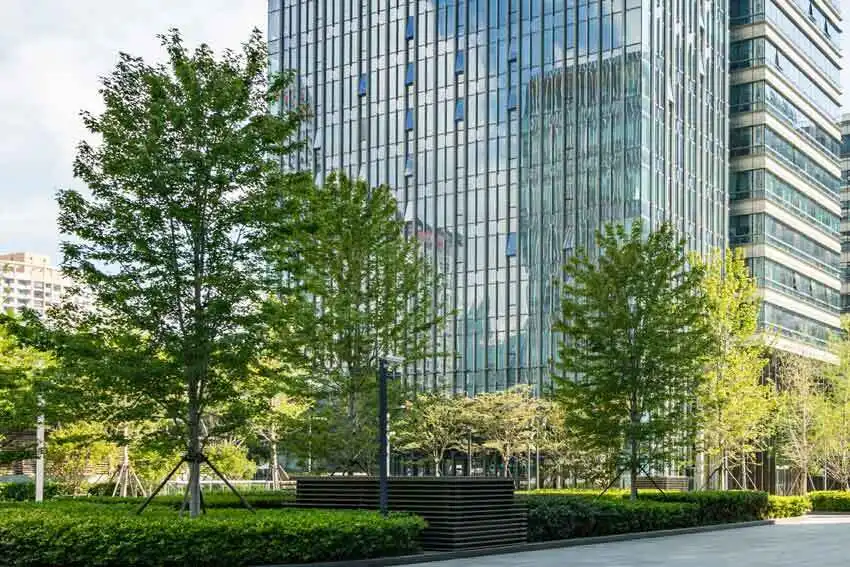
For commercial and industrial sites, vegetation management protects people, keeps the property presentable, and limits liability. Office parks, retail centers, warehouses, and campuses all have parking lots, walkways, and buildings that overgrown trees can threaten.
A managed program keeps sightlines clear, prevents branch failures over high-traffic areas, and maintains the curb appeal that customers and tenants notice. Well-run commercial tree care programs also make budgeting easier, since planned maintenance costs less than emergency response after something fails.
Municipalities, Parks, and Roadways
Cities and public agencies manage vegetation across a huge and varied inventory: street trees, parks, medians, trails, and the shoulders along public roads. The priorities are public safety, clear sightlines at intersections, access for maintenance and emergency vehicles, and the long-term health of the urban forest.
Because the work is public and heavily used, it calls for careful planning and documentation. Scalable municipal tree care services help agencies keep up with large inventories without letting risk build up in the background.
Residential Communities and HOAs
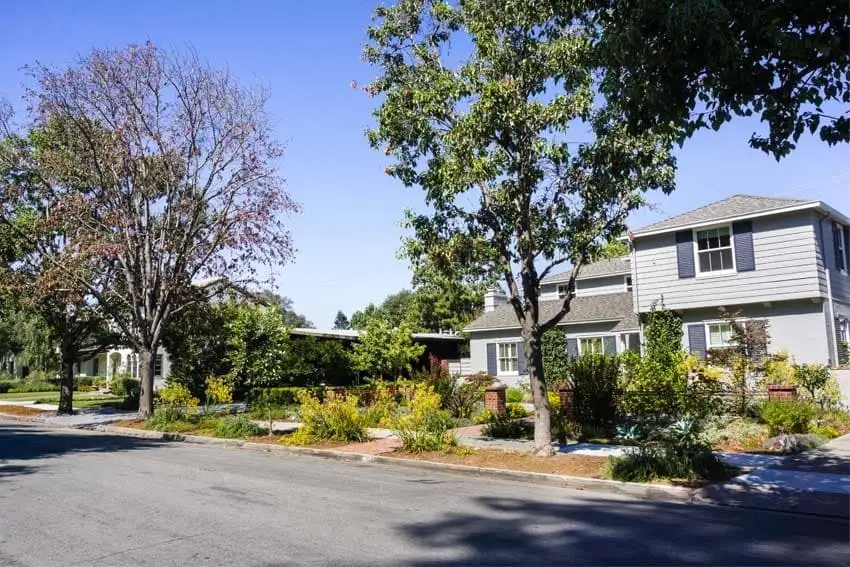
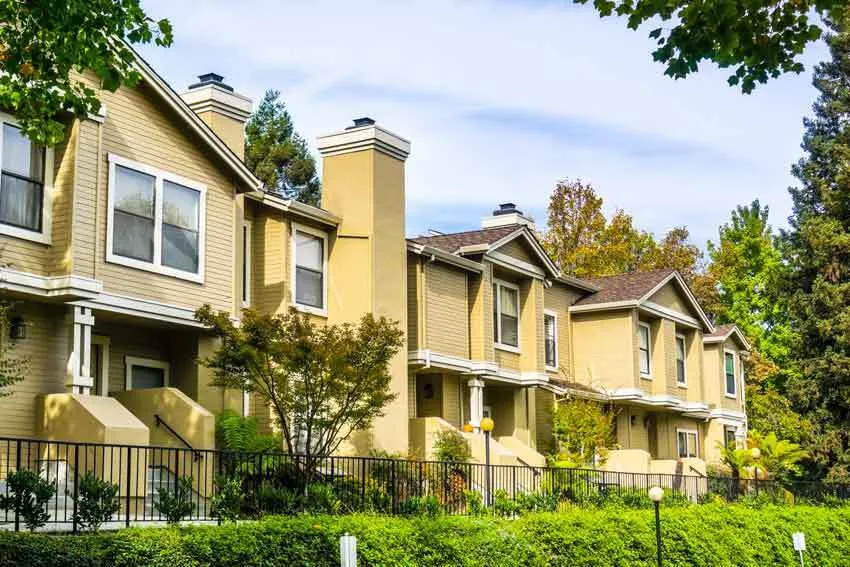
Residential communities and homeowners associations sit between private yards and public infrastructure, managing shared trees, greenbelts, and common areas. For an HOA, vegetation management protects resident safety, preserves property values, and keeps shared spaces attractive and usable.
A steady program prevents the awkward situation where a neglected greenbelt becomes both an eyesore and a fire risk. Community-focused HOA tree care programs give boards a predictable plan and a single point of contact instead of a scramble every time a tree causes trouble.
How the Vegetation Management Process Works
A good vegetation management program follows a clear sequence, whether it covers a single commercial lot or hundreds of miles of power line. The pattern is consistent: understand the site, choose the right methods, do the work safely, then track results and keep maintaining. Skipping the early steps is where most programs run into trouble later.
Site Assessment, Mapping, and Risk Identification
Every program starts with a walk of the property and an honest look at what is there. A certified arborist or crew leader inventories the vegetation, maps trees and problem areas, and identifies the highest risks, such as dead limbs, trees leaning toward structures, or brush built up near a building. Modern programs often record this in software so the data can be tracked over time. This assessment is where certified arborist consulting earns its value, because a clear picture of the risks is what makes the rest of the plan efficient.
Selecting the Right Vegetation Management Method
With the assessment in hand, the next step is matching each issue to the right method. A branch near a line calls for directional pruning, a dead tree calls for removal, a fuel-heavy slope calls for brush clearing, and a right-of-way prone to regrowth may call for targeted control.
Choosing well means weighing safety, tree health, cost, and how quickly the vegetation will grow back. The aim is a plan that solves today’s problems while reducing how much work the site will need next time.
Performing the Work Safely
Safety drives how the work actually gets done. Crews set up traffic control, keep clear zones around drop areas, use proper climbing and rigging, and follow strict rules near energized lines. OSHA’s guidance for line-clearance tree-trimming operations covers the specialized training, equipment, and minimum approach distances required around energized equipment.
This stage is where the line between DIY and professional work is clearest: pruning a small ornamental is reasonable for a careful homeowner, while any work near power lines, on large trees, or on steep terrain belongs with trained crews and the right equipment.
Good crews also protect the plants meant to stay, working around root zones and desirable species rather than clearing indiscriminately.
Documentation, Monitoring, and Ongoing Maintenance
Vegetation grows back, so the final step is really the start of the next cycle. Crews document what was done, note areas to watch, and set a schedule for return visits. A good practical rule is to reinspect high-risk areas at least once a year and after major storms, and to look for patterns rather than reacting to a single day’s appearance. Ongoing monitoring is what keeps a property from sliding back into the overgrown, higher-risk state that started the process.
Vegetation Management vs. Tree Trimming vs. Land Clearing
These three terms often get used interchangeably, which leads to confusion about what a property actually needs. They overlap, though each describes a different scope of work. Understanding the difference helps you request the right service and avoid paying for more, or less, than the situation calls for. Here is how the three compare across scope, goal, and typical use.
| Aspect | Vegetation Management | Tree Trimming | Land Clearing |
| Scope | All plant growth on a site or right-of-way (trees, brush, grass) | Individual trees and their branches | Removing most or all vegetation from an area |
| Main goal | Reduce risk and maintain the site over time | Improve a tree’s health, shape, or clearance | Prepare bare ground for construction or new use |
| Typical methods | Pruning, removal, brush clearing, targeted control | Selective branch pruning | Bulk removal, grading, hauling |
| Timeframe | Ongoing, scheduled program | As-needed or seasonal | One-time project |
| Common users | Utilities, cities, HOAs, commercial, residential | Homeowners and property managers | Developers and builders |
| Fire relevance | Central, reduces fuel over time | Minor, limited to single trees | Situational, clears everything at once |
When Each Service Is Appropriate
Choose ongoing vegetation management when a property has recurring growth to control and real risks to manage, such as lines to keep clear, fire fuel to reduce, or a large inventory to maintain. Choose tree trimming when one or a few specific trees need attention for health, shape, or clearance. Choose land clearing when a site needs to be stripped for construction or a major change in use.
Many properties need a mix over time, starting with a clearing or heavy trim, then settling into a steady management program to hold the results.
Sustainable Vegetation Management Best Practices
The best vegetation management protects safety and infrastructure while respecting the landscape it works in. Clearing everything to bare dirt is fast, though it invites erosion, aggressive regrowth, and weaker long-term results. A more sustainable approach costs a little more thought upfront and pays it back in lower risk and healthier land for years. Two habits separate a thoughtful program from a blunt one.
Selective Vegetation Management vs. Broad Clearing
Selective management targets the plants that cause problems and leaves the ones that help. On a fire-prone slope, for example, a crew might remove tall, flammable brush and dead material while keeping deep-rooted native groundcover that holds the soil in place.
Broad clearing removes everything, which can trigger faster, denser regrowth and leave the ground exposed to erosion. Selective work takes more skill and planning, and it produces a site that stays lower-risk with less intervention over time.
Balancing Safety, Tree Health, and Environmental Responsibility
Strong programs hold three goals at once: keeping people and property safe, keeping desirable trees healthy, and limiting harm to the surrounding environment. In practice, that means pruning in ways trees can recover from, checking for active nests and understanding when federal protections apply to bird nests, and reusing wood waste as mulch or biochar instead of sending it to a landfill.
A helpful way to picture a good program is a haircut rather than a demolition: the goal is to shape and maintain, keeping what is healthy and removing what is not. That balance is what makes the results last.
Choosing the Right Vegetation Management Partner

The right partner does more than send a crew with saws. Look for a company with certified arborists on staff, crews trained for line-clearance and other high-risk work, insurance and licensing that match the job, and a track record with properties like yours.
Ask how they assess risk, how they document work, and how they schedule return visits, because a real program is measured over years, not a single afternoon. A partner who tracks your trees in software and returns on a set cycle saves you money and stress compared with hiring reactively every time something fails.
A Plus Tree brings certified arborists, specialized crews, and management software to programs of every size across the West Coast. If you are weighing a new program or unsure how much risk your property carries, you can request a proposal and start with a professional assessment.
Frequently Asked Questions
How Often Should Vegetation Be Managed?
Most properties need attention on a yearly cycle, with high-risk areas checked more often. Utility lines and fire-prone sites usually require more frequent clearance, sometimes several times a year.
What Factors Affect the Cost of Vegetation Management?
Cost depends on property size, vegetation density, site access, the methods needed, and how often work recurs. Emergency and high-risk jobs near power lines cost more than routine scheduled maintenance.
What Does a Vegetation Management Assessment Include?
An assessment inventories the vegetation, maps trees and problem areas, and identifies risks like dead limbs or fire fuel. It usually ends with documented recommendations and a suggested maintenance schedule.
Who Is Responsible for Vegetation Management Around Power Lines?
Utilities are generally responsible for clearing vegetation around their power lines under regulatory standards. Property owners handle trees on their own land, so responsibilities vary by location and line type.
Is Vegetation Management Safe for Native Plants and Wildlife?
Yes, when done selectively. Skilled crews protect native and desirable plants, work around root zones, and time work to avoid nesting seasons where required, supporting wildlife rather than harming it.
What Is Integrated Vegetation Management (IVM)?
Integrated vegetation management combines multiple methods into one long-term plan, matching each to the site and favoring low-growing plants. Utilities use IVM to balance reliable clearance with healthier landscapes.
When Should a Property Owner Hire a Vegetation Management Company?
Hire a professional when vegetation threatens power lines, structures, or safety, when a site has heavy fire fuel, or when the scale or risk is beyond safe DIY work.
Get a Free Tree Assessment — No Obligation
Tell us about your tree. One of our ISA Certified Arborists will review your situation and get back to you within 24 hours.