
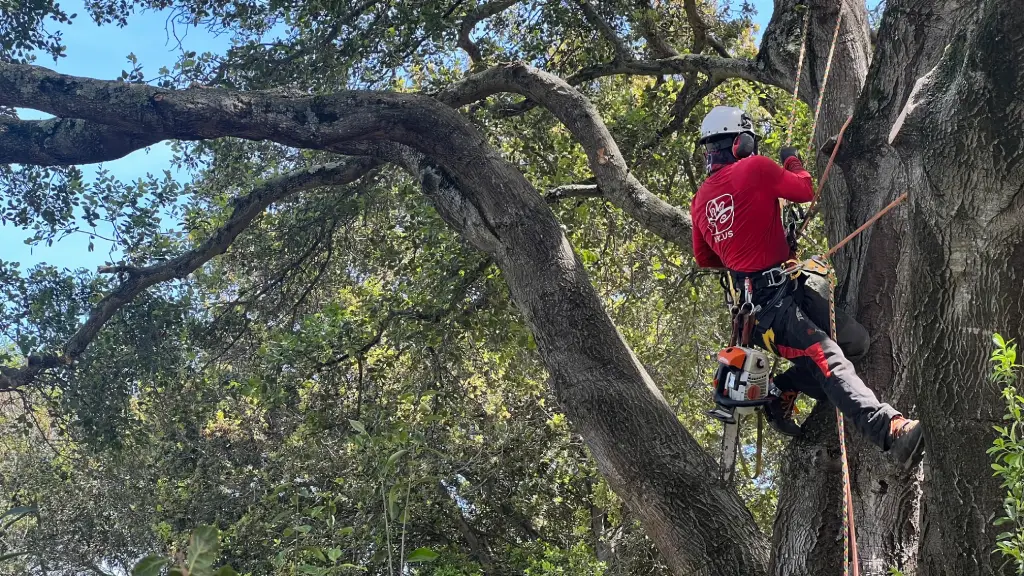
You notice a crossing branch on your oak, or a limb hanging lower than it should, and your first instinct is to trim it or look into professional oak tree pruning services. That instinct makes sense. But with oaks, timing matters just as much as technique. A cut made at the wrong time of year can create an opening for diseases that are difficult to stop and, in some cases, fatal.
This guide covers the best seasons for oak pruning, the disease risks that make timing so important, and when it makes sense to bring in a certified arborist.
Quick Answer: The best time to trim oak trees is during dormancy, from late fall through winter, roughly November through February. This window significantly reduces the risk of oak wilt and other fungal diseases, which spread most aggressively in spring when beetle populations peak.
Why Timing Matters for Oak Tree Trimming
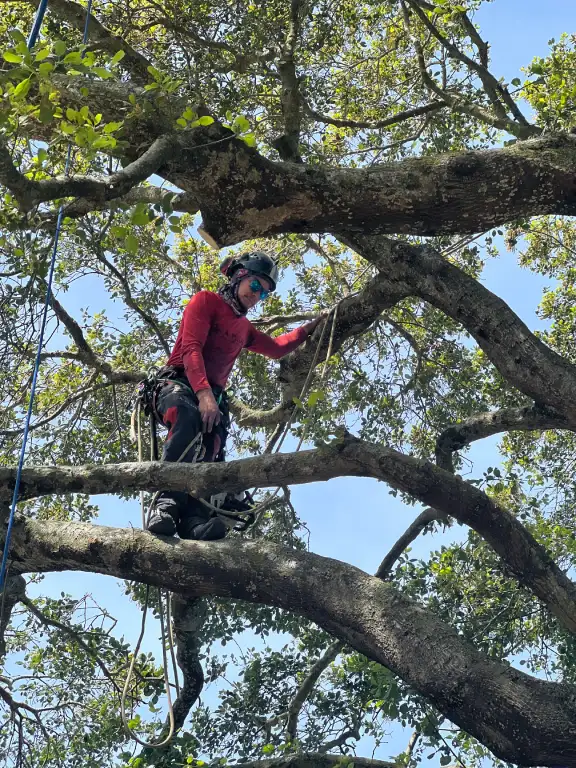
Most trees can tolerate pruning in more than one season. Oaks are different. A fresh wound on an oak releases chemical signals that attract sap-feeding beetles, and those beetles can carry serious fungal pathogens into the tree’s vascular system. Timing your pruning correctly is one of the most effective ways to reduce that risk, which is why understanding the best time to prune trees matters before making any cuts.
Risks of Trimming at the Wrong Time
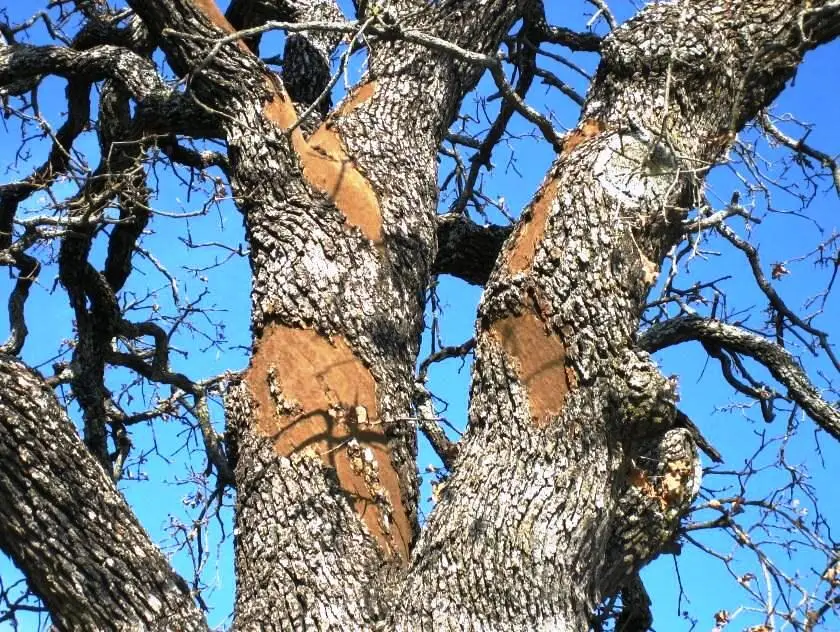
Trimming oak trees during spring and early summer, especially between February and June, raises the risk of disease transmission. Beetle populations are active during this period and are drawn to fresh wounds for feeding and breeding. In California and the Pacific Northwest, two diseases are the most serious consequences of poor timing:
Oak wilt, caused by the fungus Bretziella fagacearum, blocks water movement through the tree and can kill certain oak species within a single growing season.
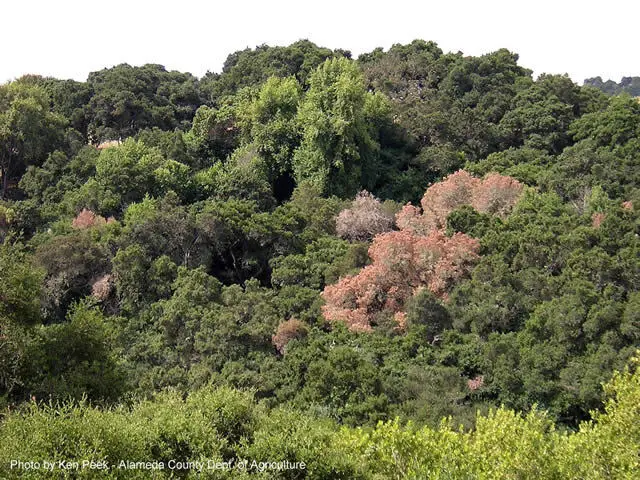
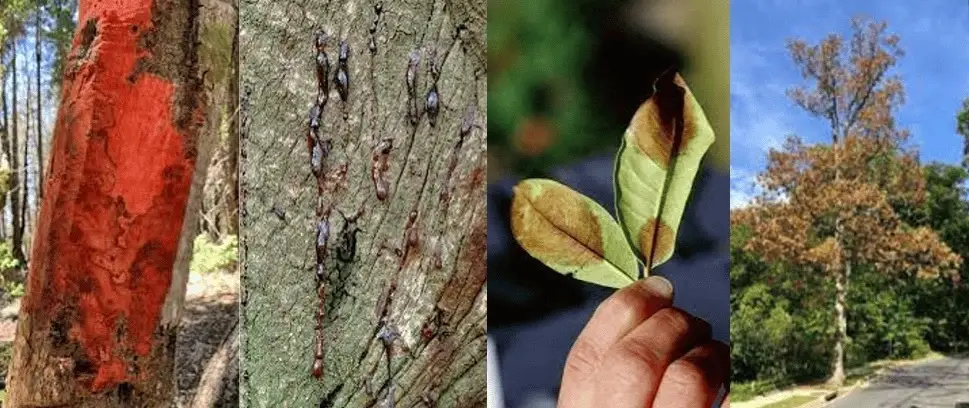
Sudden Oak Death, caused by Phytophthora ramorum, has devastated millions of oaks across coastal California and parts of Oregon.
Both diseases are far less likely to take hold through a wound made during the dormant season.
How Pruning Affects Tree Health and Longevity
A well-timed cut gives your oak better conditions for wound compartmentalization, the natural process by which trees wall off damaged tissue. During dormancy, the tree is not producing the kind of sap flow that attracts beetles, and cooler temperatures help slow fungal activity linked to serious oak tree diseases.
Beyond disease prevention, correctly timed pruning removes dead, crossing, and structurally weak branches before they become hazards. It can improve air circulation through the canopy, reduce wind resistance, and prepare the tree for healthy growth once spring arrives.
Not sure if your tree needs professional attention?
A Plus Tree’s ISA Certified Arborists serve homeowners across the West Coast. A free assessment takes 15 minutes and gives you a clear answer.
Best Time to Trim Oak Trees in California and the Pacific Northwest
Across California and the Pacific Northwest, the recommended pruning window aligns with the dormant season. Exact timing can shift slightly based on local climate and whether you are managing deciduous or evergreen oaks.
Dormant Season Benefits (Late Fall Through Winter)
Late fall through winter, typically November through February, is the best time to prune oak trees. During these months, sap-feeding beetles are largely inactive, temperatures suppress fungal spore activity, and your tree has the smallest vulnerability window after a cut.
Key advantages of dormant-season pruning include:
- Minimal beetle activity lowers the risk of disease transmission
- Cooler, drier air slows the spread of fungal pathogens
- Leafless canopies on deciduous oaks make structural assessment easier
- Trees begin sealing wounds before the flush of spring growth
Special Considerations: Pruning Evergreen Live Oaks vs. Deciduous Oaks
California live oaks (Quercus agrifolia) and other evergreen oak species do not drop their leaves in winter the way valley oaks or Oregon white oaks do. That does not change the timing recommendation. Dormancy still occurs even when leaves remain present, and the disease-risk calendar applies to both types.
For live oaks, the main practical challenge is visibility. A full canopy year-round can make it harder to spot dead wood or structural problems. Scheduling an assessment before the pruning window opens can help ensure nothing important is missed.
Why to Avoid Spring and Early Summer Pruning
Spring is the highest-risk period for oak pruning in California and the Pacific Northwest. Beetle populations are active, fungal spores are spreading, and fresh cuts are most exposed. The same warm, moist conditions that support spring growth also support the pathogens that exploit open wounds.
Even light trimming during this window can create enough of a wound signal to attract disease carriers. If you recently planted a young oak and feel tempted to tidy it up in spring, it is better to wait. Patience from late February through June can protect both the tree and the investment you have made in it.
When Emergency Trimming Is the Only Option
There are times when you cannot wait for the dormant season. A storm-broken limb, a branch pressing against a roof, or a structurally failing section of canopy may require prompt attention regardless of the calendar, and that is when an emergency tree service may be the safer option.
If you must prune during the high-risk season, take these precautions:
- Sterilize all tools before and after every cut using a 10% bleach solution or commercial disinfectant
- Apply wound sealant immediately to every fresh cut surface. This is one of the few situations where wound dressing is actively recommended for oaks.
- Remove and dispose of pruned wood well away from healthy oaks
- Monitor the tree closely over the following weeks for signs of dieback or disease
Seasonal Timing Table: Trim or Wait?
| Season | Risk Level | Recommendation |
| Late fall (November) | Low | Good time to prune |
| Winter (December–February) | Low | Ideal pruning window |
| Early spring (March–April) | High | Avoid unless necessary |
| Late spring (May–June) | Very high | Do not prune |
| Summer (July–August) | Moderate | Limit to emergencies |
| Early fall (September–October) | Low to moderate | Proceed with caution |
Oak Tree Trimming Guidelines and Safety Best Practices
Correct timing is the first line of protection. Proper technique is the second. Understanding what your specific oak needs, using clean tools, and making accurate cuts will determine whether the work strengthens or stresses the tree over time.
Preventing Disease: Oak Wilt and Sudden Oak Death (SOD)
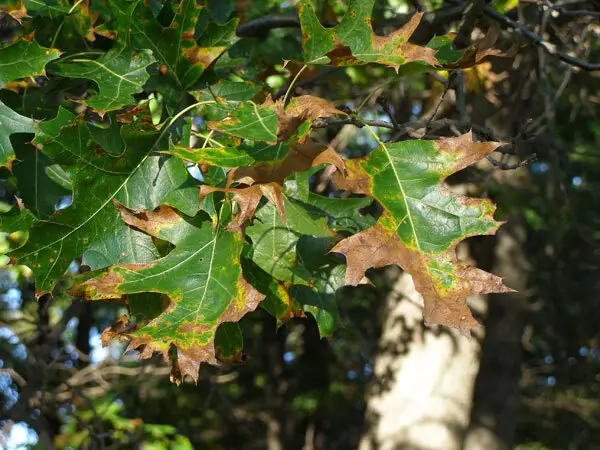
The most effective prevention combines correct seasonal timing with consistent tool sterilization. Disinfect all saws, loppers, and pruning shears between cuts, especially when moving from one tree to another on the same property. If a tree already shows symptoms of decline, bleeding cankers, or canopy stress, professional tree pest and disease diagnosis is the safer next step.
For properties in coastal California where Sudden Oak Death is a known threat, avoid disturbing soil around the root zone of healthy oaks during wet months. This matters even more in areas where Sudden Oak Death has already killed an estimated 30 to 45 million trees in coastal California and Oregon.
Safe Pruning Practices for Mature vs. Young Oaks
Young oaks benefit from early structural pruning that helps establish a strong central leader and well-spaced scaffold branches. This work is most effective in the first ten years and shapes the structure the tree will carry for decades.
Mature oaks require a more conservative approach. Large cuts on older trees take longer to seal and carry greater infection risk. The goal for a mature oak is usually hazard reduction and deadwood removal, not reshaping. Removing more than 15 to 20 percent of the live canopy in one season can stress the tree and weaken natural defenses.
Should You Trim Lower Branches of Oak Trees?
Raising the canopy by removing lower branches is sometimes appropriate, but it should be done carefully and for the right reasons. Removing lower branches too early in a tree’s development reduces the leaf area the tree needs to build trunk diameter and root strength.
A good practical rule is to remove lower branches only when they create a clearance problem, are dead or declining, or are crossing and rubbing against more important scaffold limbs. Removing healthy lower branches purely for appearance on a young oak is not recommended and can set the tree back.
How to Trim an Oak Tree Without Harming It
Follow these principles for every cut, especially if you want to understand how to trim a tree without harming it before doing any work yourself:
- Make clean cuts at the branch collar, the slight swelling where the branch meets the trunk or parent limb
- Avoid flush cuts, which remove the collar and damage the trunk tissue beneath
- Avoid stub cuts, which leave dead wood that can decay inward toward the trunk
- Never top an oak, the resulting water sprouts are weakly attached, more vulnerable to disease, and likely to create long-term canopy problems
Common Oak Tree Pruning Mistakes to Avoid
Even well-intentioned homeowners make pruning decisions that can set their oaks back for years. The mistakes below come up often, and each one has consequences that may not show up until months or seasons later.
Over-Pruning and Structural Damage
Removing too much of the canopy at once, sometimes called lion-tailing or over-thinning, strips the tree of the leaf area it needs to produce energy. The tree often responds by pushing out clusters of weak, fast-growing shoots called water sprouts throughout the crown.
These shoots are weakly attached, break easily in wind, and often recreate the crowding that over-thinning was meant to solve. Once that cycle begins, it can take years to correct.
Improper Cuts and Unsterilized Tools
A stub left two or three inches beyond the branch collar will die back and begin decaying toward the trunk. Over time, that creates an entry point for wood-rotting fungi and can weaken the entire limb union.
Unsterilized tools are one of the easiest ways to spread disease between trees on the same property. One contaminated cut and one unwashed saw may be enough to move a pathogen to the next tree. Cleaning tools between trees takes only a few minutes and greatly reduces that risk.
When to Call a Certified Arborist
Some pruning decisions can be handled by a careful homeowner. Others require professional training, proper equipment, and judgment developed through years of working with mature trees. Knowing the difference is part of responsible tree care, especially when you see standard hazard indicators such as cracks, decay, cavities, or fungal conks.
Signs You Shouldn’t DIY Your Oak Tree Pruning
Consider calling a professional arborist if:
- Any branch to be removed is larger than four inches in diameter
- The work requires a ladder, climbing gear, or an aerial lift
- The tree shows signs of disease, unusual dieback, or fungal conks on the trunk
- Any part of the tree is within striking distance of a structure, fence, or utility line
- You are unsure of the species and whether specific oak tree trimming rules apply
Benefits of Working with a Professional Tree Service
A certified arborist brings species-specific knowledge, proper equipment, and ISA training to every job. For oaks, that expertise matters because the effects of a poorly timed or poorly executed cut can take years to appear fully.
At A Plus Tree, our teams include ISA-Certified Arborists and Urban Forest Managers with extensive experience across California and the Pacific Northwest oak landscape. We understand local disease pressure, regional species differences, and the municipal regulations that may affect what work can be done and when.
Permits and Protections: Are Your Oak Trees Protected?
Many municipalities in California have oak tree ordinances that restrict or prohibit removal and significant pruning of native oaks without a permit. Some cities also regulate trimming that removes more than a specified percentage of live canopy, even on private property.
Before scheduling major pruning work, check with your local planning or public works department. Violations can lead to fines, and some jurisdictions also require replanting or payment into a tree replacement fund.
Protect Your Oak Tree Investment With Expert Pruning Guidance
Oak trees are long-term investments in your property and landscape. Getting the timing right for pruning is one of the most important things you can do to protect that investment. When you are ready to schedule work or want a professional assessment of what your oak actually needs, our ISA-Certified Arborists at A Plus Tree are here to help. Reach out, and we will take a look.
FAQs About Oak Tree Trimming
Worst Months for Oak Trimming (What to Avoid)
The worst months for oak trimming are April, May, and June. Beetle activity and fungal spore pressure peak during this period, making fresh pruning cuts a much greater disease risk.
Can You Trim Oak Trees in the Rain or After a Storm?
Avoid pruning oaks in wet conditions when possible. Moisture can increase fungal spread and slow wound sealing. For storm emergencies, proceed carefully, seal fresh cuts promptly, and sterilize tools thoroughly.
Do Different Types of Oak Trees Require Different Pruning Times?
No. The dormant-season window, November through February, generally applies to live oaks, valley oaks, Oregon white oaks, and blue oaks alike. A local arborist can fine-tune timing for your site.
What Are the Signs That an Oak Tree Needs Pruning?
Dead branches, rubbing limbs, growth approaching structures, visible fungal growth on bark, and one-sided canopy dieback can all signal that your oak needs pruning or a professional assessment.
Get a Free Tree Assessment — No Obligation
Tell us about your tree. One of our ISA Certified Arborists will review your situation and get back to you within 24 hours.