
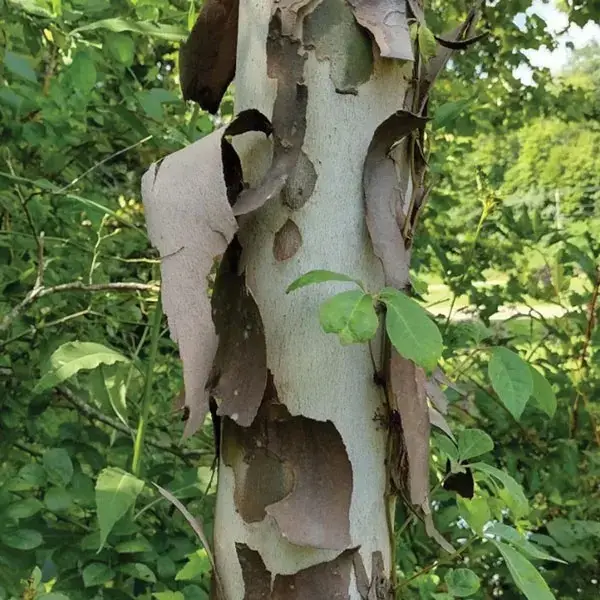
You walk into your yard, see bark on the ground, and notice a bare patch on your tree’s trunk. That kind of moment can be unsettling. It is natural to wonder whether this is part of normal growth or a sign that your tree is in trouble.
In some trees, bark shedding is completely normal. In others, it can point to stress, damage, or decline that may call for professional tree health care. This guide will help you understand the difference, spot the warning signs, and decide what to do next.
Quick Answer: Bark falling off a tree can be normal for species like sycamore, birch, and eucalyptus. In other cases, it may point to disease, insect activity, weather stress, or physical injury. Look at the exposed wood, check for sawdust-like frass, and pay attention to changes in the canopy. If anything seems off, have the tree evaluated by a certified arborist.
Is It Normal for Bark to Peel Off Trees?
Yes, for some trees, peeling bark is a normal and healthy part of growth. Knowing which species naturally shed bark can save you a lot of unnecessary worry. It also makes it easier to recognize when bark loss is not behaving the way it should.
The “Exfoliating” Trees: Sycamore, Birch, and Eucalyptus
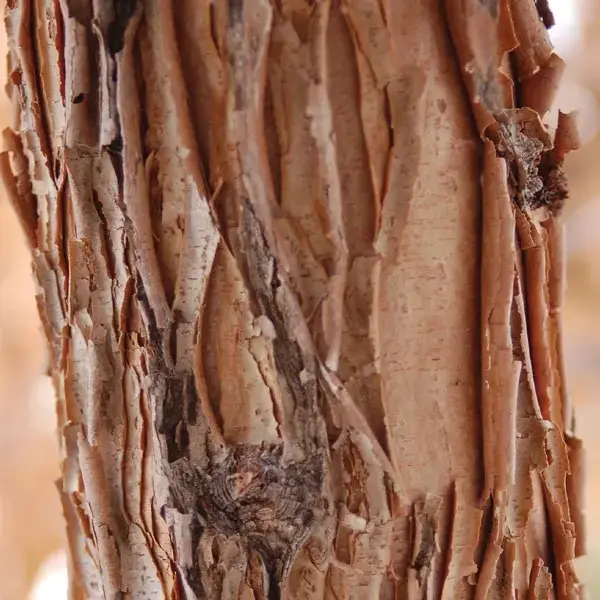
Some trees naturally shed their outer bark as they grow. This process, called exfoliation, differs from bark loss caused by damage or decline.
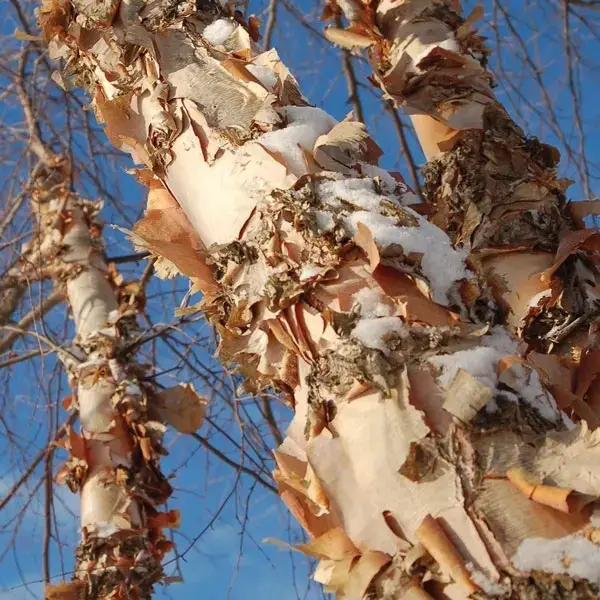
American sycamore is one of the best-known examples. Its outer bark flakes away in patches, revealing a lighter inner surface beneath. That is what gives the trunk its mottled, camouflage-like look. River birch is another common exfoliating species. Its bark often peels in thin, papery curls with a cinnamon-brown color. Eucalyptus trees also shed bark, often in strips, exposing a fresh layer underneath.
In these cases, bark shedding is not a symptom of a problem. It is part of the tree’s normal growth pattern. If the exposed surface looks smooth, firm, and even in color, and the rest of the tree looks healthy, there is usually no reason for concern.
Why Some Trees Shed Bark Naturally
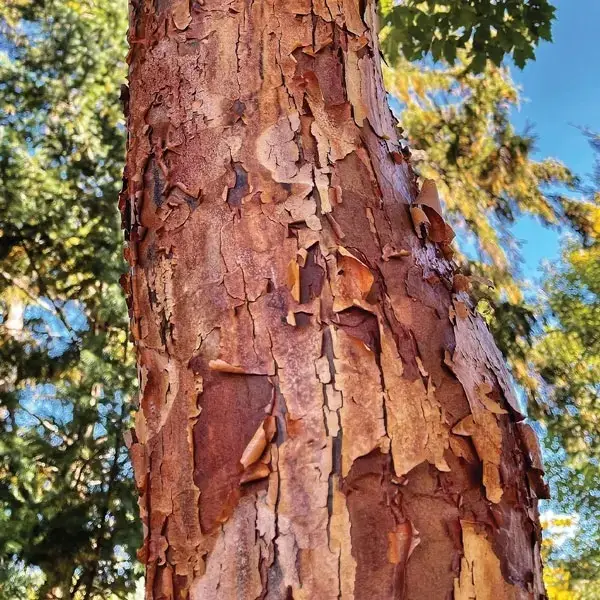
Even outside exfoliating species, a small amount of bark cracking or shedding can happen as trees age and expand. As the trunk grows wider over time, the outer bark may split or loosen in minor sections. This is more common in mature trees and usually shows up as small plates or flakes, not major bare areas.
The condition of the exposed surface matters most. Healthy wood beneath the bark should look firm and fairly even in color. It should not feel soft, look wet, smell sour, or show signs of insect activity. If the tree otherwise looks vigorous, occasional bark loss may be no more than part of normal development.
Not sure if your tree needs professional attention?
A Plus Tree’s ISA Certified Arborists serve homeowners across the West Coast. A free assessment takes 15 minutes and gives you a clear answer.
When Bark Loss Signals a Problem
Not all bark loss is harmless. When bark comes off and reveals wood that looks dark, damaged, soft, or hollow, it is time to take a closer look. Several tree pest and disease problems can cause bark to crack, loosen, or fall away, and some of them move faster than homeowners expect.
Sunscald and Frost Cracks: Weather-Related Damage
Weather is one of the most common reasons bark gets damaged, especially on young trees or species with thinner bark. Sunscald usually develops when the trunk warms up in winter sun, then cools quickly after sunset. That sudden shift can injure the living tissue beneath the bark, and the bark over that area may later split, loosen, or peel away.
Frost cracks are related but usually appear as long vertical splits in the trunk. They often show up on the south or southwest side, where daytime warming is strongest. Trees like maple, apple, and linden are especially vulnerable.
Many trees can recover from this kind of injury, especially when the damage is limited and the tree is otherwise healthy. Young trees are easier to protect, which is why trunk wrap is often recommended during the first few winters.
Hypoxylon Canker and Fungal Infections
Some fungal diseases cause the bark itself to die and separate from the trunk. Hypoxylon canker is one of the better-known examples. It often affects hardwoods such as oaks and ashes, especially when they are already stressed by drought, root disturbance, or compacted soil.
The bark may slough off in patches and expose a gray or silvery surface underneath. You may also notice canopy thinning, dead branch tips, or a general decline in vigor. Once Hypoxylon canker is established, treatment options are limited. In more advanced cases, removal may become the safest option.
Other fungal cankers can create similar symptoms. These often look like sunken or discolored sections where the bark has died and begun to pull away. The most practical way to reduce the risk of fungal problems is to keep trees as healthy and unstressed as possible through proper watering, soil care, and protection around the root zone.
Insect Damage: Bark Beetles and Emerald Ash Borer
Some insects attack trees beneath the bark, which makes bark loss one of the first visible clues. Larvae feed in the living tissue that helps move water and nutrients through the tree. Once that tissue is damaged, the bark above it may die and start to loosen.
Bark beetles are especially destructive on conifers that are already stressed by drought or other pressures. Emerald ash borer is a major concern for ash trees. Its larvae create winding galleries beneath the bark, and those feeding patterns eventually cause sections of bark to split and peel back. You may also see small D-shaped exit holes on the trunk.
If you notice bark coming off along with sawdust-like frass, insect tunnels, or exit holes, insect activity is a strong possibility. Timing matters here. Some emerald ash borer treatments can be effective, especially when the problem is caught early.
Physical Injury from Lawnmowers and Construction
Physical injury is another common cause of bark loss, and it is one of the most preventable. Repeated contact from lawnmowers and string trimmers can wound the lower trunk again and again. That damage cuts through bark and living tissue, and over time it can seriously weaken or even kill the tree.
Construction can cause similar harm, even when the trunk itself is not hit. Soil compaction, trenching, root cuts, and grade changes can all stress a tree and trigger bark failure later. In many cases, the visible bark loss shows up months after the original injury.
A mulch ring around the base of the tree can help prevent mower damage and reduce competition from grass. Keeping heavy equipment away from the root zone is equally important during any nearby work.
How to Tell if Your Tree Needs Help
Bark loss by itself does not tell the whole story. To determine whether your tree needs help, look at both the exposed area and the overall condition of the tree, especially if you are trying to tell whether a tree is dead. A healthy tree with a small patch of normal bark loss is very different from a stressed tree showing decline in several places at once.
Visual Guide: Healthy vs. Unhealthy Bark
Healthy bark loss usually looks like this:
- Smooth, firm inner surface with normal coloration
- No wet, soft, or crumbly areas
- No visible tunneling, frass, or insect activity
- Bark loss limited to species known for exfoliation
Unhealthy bark loss often looks like this:
- Dark brown, black, or orange discoloration
- Soft, hollow, or sunken areas beneath the missing bark
- Winding galleries or tunnels in the wood surface
- Bark separating in large dead sheets
- Gray or silvery residue on exposed tissue
- Liquid seepage or flux from the damaged area
If the bark loss looks more like the second list, the tree deserves closer attention.
Other Symptoms: Dieback, Discolored Leaves, and Sawdust
The bark is only one part of the picture. The canopy often tells you even more. Look at the leaves and branch tips. Are leaves emerging late, staying small, turning yellow too early, or dropping before they should? Are the outer branches dying back from the tips inward?
At the trunk and around the base, look for fine sawdust-like material, which may be frass from boring insects. Check for small exit holes, fresh cracks, or unusual woodpecker activity. Woodpeckers often peck at bark when insects are feeding underneath it.
It also helps to pay attention over time. A stable patch of bark loss is one thing. Damage that is expanding week by week, especially when paired with canopy decline, is a much stronger signal that the tree is under real stress.
Diagnostic Checklist: Is Your Tree in Trouble?
Run through this list if you notice bark falling off your tree:
- Is the exposed wood dark, soft, hollow, or tunneled?
- Is there frass at the base of the trunk or caught in bark crevices?
- Are there D-shaped or round exit holes on the trunk?
- Is branch dieback spreading from the outer canopy inward?
- Are leaves sparse, yellowing, or dropping early?
- Has the tree been under drought stress recently?
- Has there been digging, grading, trenching, or soil disturbance nearby?
- Is the damage limited to one side of the trunk, especially the south or southwest side?
If you are seeing more than one of these signs, it is a good idea to have the tree assessed by a certified arborist.
What to Do if Your Tree Is Losing Bark
Once you notice bark loss, the next step is to respond calmly and methodically. In some cases, the tree may only need monitoring and supportive care. In others, early action can make a real difference, especially when you are trying to save a tree with damaged bark.
Step 1: Inspect the Trunk and Canopy
Start with a close look at the trunk, then step back and assess the full tree. Check the bark around the damaged area for looseness, cracking, moisture, or soft spots. Look at the trunk flare and surrounding soil for fungal growth, root disturbance, or changes in grade.
Then examine the canopy. See whether the tree still has normal leaf density and color. Pay attention to where the bark loss is happening and how much of the trunk it affects. Take clear photos as you go. That gives you a record to compare later and makes it easier to show a professional what you are seeing.
Step 2: Tree Health Care (PHC): Watering and Mulching
Many bark problems get worse when a tree is already stressed. Drought, soil compaction, poor root conditions, and weak vigor all reduce a tree’s ability to defend itself and recover from injury.
Deep watering helps much more than frequent light watering. For established trees, that usually means watering slowly enough for moisture to reach well into the root zone during dry periods. The goal is to support the roots, not keep the surface constantly damp.
Mulch is another simple but important tool. A 3- to 4-inch layer of wood chip mulch around the tree helps conserve moisture, soften temperature swings, and reduce turf competition. Keep the mulch pulled back from direct contact with the trunk. Over time, a good tree health care approach gives the tree a much better chance of staying resilient.
Step 3: Prevent Further Damage (Wrapping & Protection)
If bark loss appears to be tied to sunscald, protecting the trunk can help prevent the problem from getting worse. Young trees often benefit from a light-colored trunk wrap during winter. That helps reduce temperature swings on sunny, cold days. The wrap should be removed in spring so moisture does not stay trapped against the bark.
If the damage is near the base of the trunk, think about what may be hitting it. Lawn equipment is a frequent culprit. A mulch ring or barrier can create enough distance to keep mower decks and string trimmers from causing repeated injuries.
Avoid wound paints and sealants. According to Purdue University Extension guidance, these products do not promote healing and may even encourage decay. Clean monitoring and good cultural care are the better path.
Step 4: Consult an A Plus Tree ISA-Certified Arborist
Some bark loss is cosmetic. Some is a sign of a deeper issue that needs treatment, structural evaluation, or removal planning. That is where a trained arborist can help.
An ISA-Certified Arborist can determine whether the bark loss is normal, weather-related, insect-driven, disease-related, or tied to physical injury. Through arborist consulting, they can also tell you how much of the tree has been affected and whether the condition is likely to progress.
At A Plus Tree, we help homeowners get clear answers about tree health. If your tree is losing bark and also showing canopy decline, insect signs, or trunk damage, having it evaluated early gives you the clearest path forward and the best range of options.
FAQs About Bark Shedding in Trees
These are the questions homeowners ask most often when they notice bark loss on their trees.
Is a Tree Dead if the Bark Is Falling Off?
Not always. Some trees shed bark naturally. In other cases, bark loss can happen on a living tree that is stressed, injured, or declining but still treatable.
Can a Tree Heal Itself After Losing Bark?
A tree cannot regrow bark over damaged tissue, but it can seal around the wound with callus tissue. Recovery depends on tree health, damage extent, and the underlying cause.
Why Is Bark Falling off My Maple/Oak/Ash Tree?
Maples often develop sunscald or frost cracks. Oaks may suffer from fungal cankers. Ash trees are especially vulnerable to emerald ash borer and should be checked promptly.
Get a Free Tree Assessment — No Obligation
Tell us about your tree. One of our ISA Certified Arborists will review your situation and get back to you within 24 hours.