
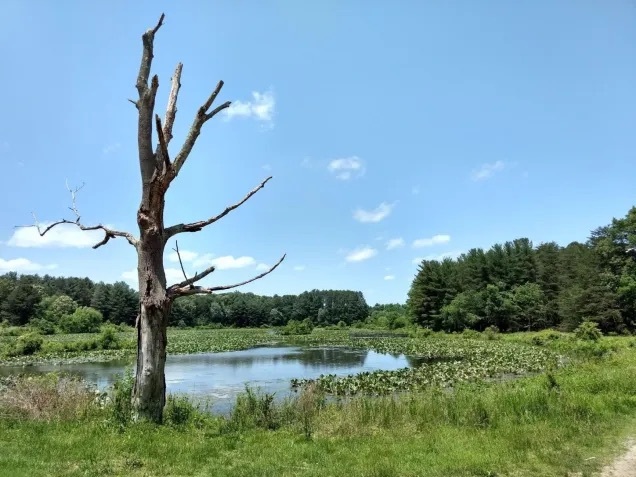
A dead tree has a special talent for turning a normal day into a slightly anxious one, especially when the wind picks up and you start wondering what could come down with it.
Dead trees are not automatically dangerous, but they do become less predictable over time. This guide covers how to assess risk, when removal makes sense, and how to reuse wood safely if you want to.
If you are still not totally sure it is dead, start here first: How to Tell if a Tree is Dead.
Is It Safe to Leave a Dead Tree Standing?
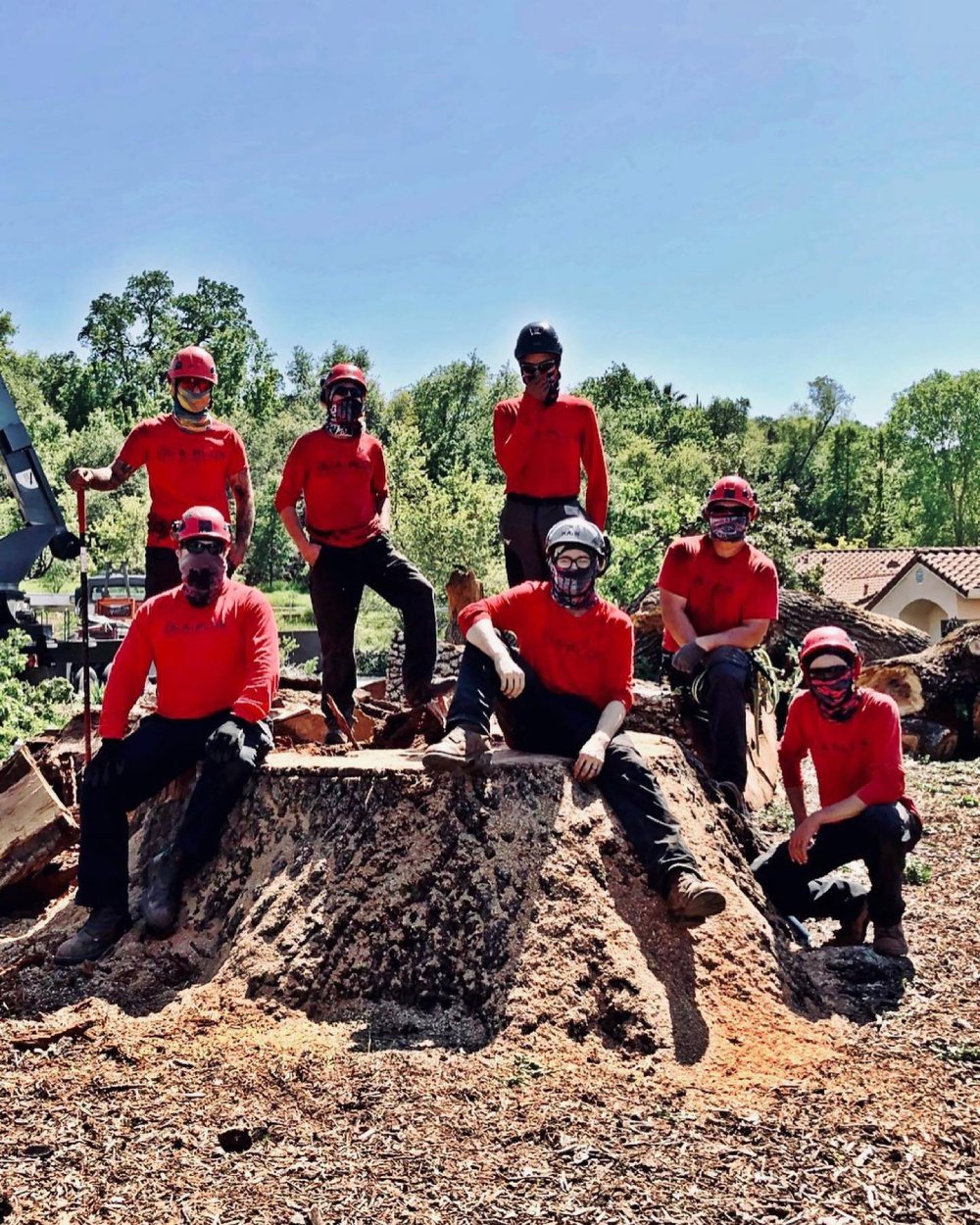
Sometimes, yes. Sometimes, absolutely not. The difference usually comes down to one simple concept: what happens if it fails.
A tree’s wood (xylem) is doing more than just “holding the tree up.” In a healthy tree, it helps move water and minerals, provides structure, stores energy, and even helps limit the spread of dysfunction, disease, and decay. Once a tree dies, those systems stop operating, and the wood begins to change. It can dry out, become more brittle, and lose strength over time, especially if decay organisms move in.
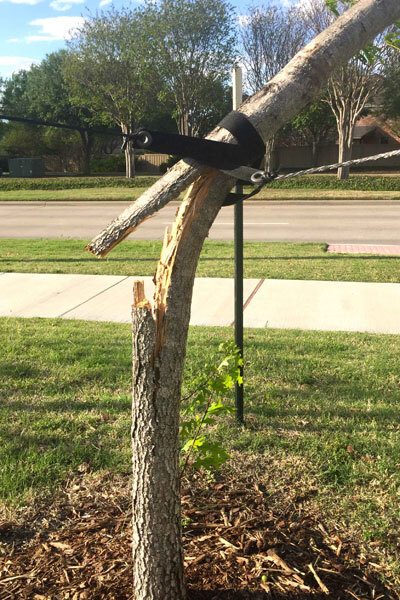
A helpful way to picture it is this: living branches tend to flex, dead branches tend to snap. That shift is why dead trees near homes, sidewalks, driveways, and play spaces deserve a faster, more cautious decision.
Common Signs of Structural Risk or Hazard
If your dead tree is near anything you care about, these are the signs that deserve a closer look:
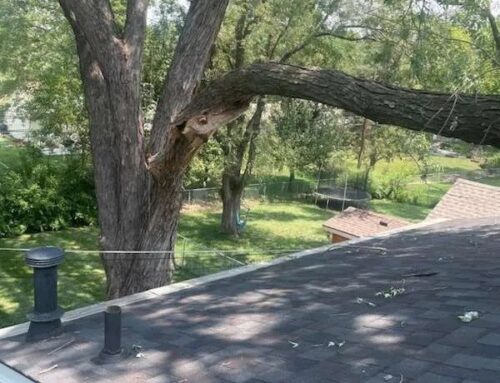
- Dead limbs over targets. If large branches hang over a roof, driveway, patio, play space, or sidewalk, risk goes up quickly.
- Cracks in the trunk or major limbs. Fresh cracks can signal structural weakness.
- A new lean. Especially if the soil looks lifted or cracked around the base.
- Cavities or hollow areas. Some hollows are manageable in living trees, but in dead trees they can mean reduced holding wood.
- Fungal growth at the base or on the trunk. This can be a clue that decay is present inside the wood.
- Loose, shedding bark paired with other symptoms. Bark loss alone is not a full diagnosis, but it can be part of the picture.

How Long Can a Dead Tree Stand Before Falling?
This is one of the most common questions I hear, and it makes sense because you are basically asking, “Do I have time to deal with this, or is this a today problem?”
The honest answer is that how long can a dead tree stand depends on several factors:
- Tree species (some woods are more decay-resistant than others)
- The size and age of the tree
- Whether the tree died standing or was damaged in a storm
- How exposed the site is to wind
- Whether decay is already established
- Soil and root stability
Some dead trees stand for years. Others lose big limbs quickly, especially after the first serious wind event. The bigger point is this: you do not want the tree deciding the timeline for you, because the tree’s decision-making process is gravity.
A good practical rule is to move faster when the tree can hit something valuable or high-use. If it is in an isolated area of a large property, you may have more options.
The “Snag” Concept: When Dead Trees Benefit the Environment
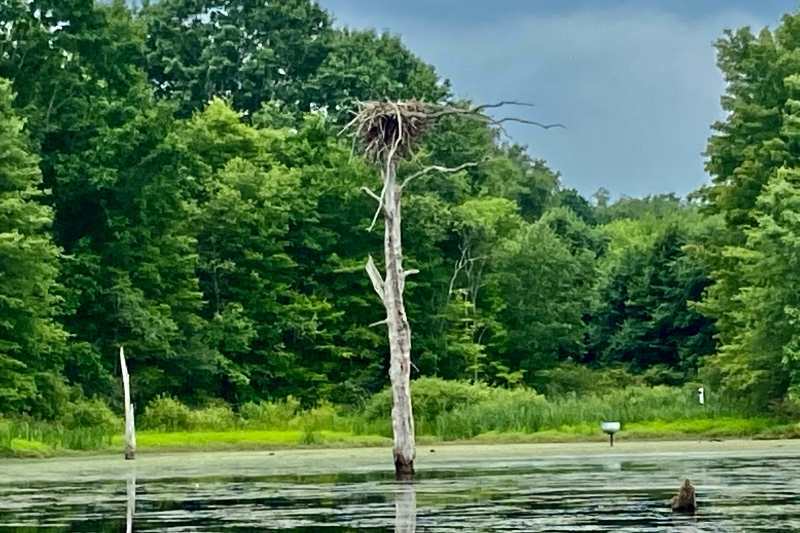
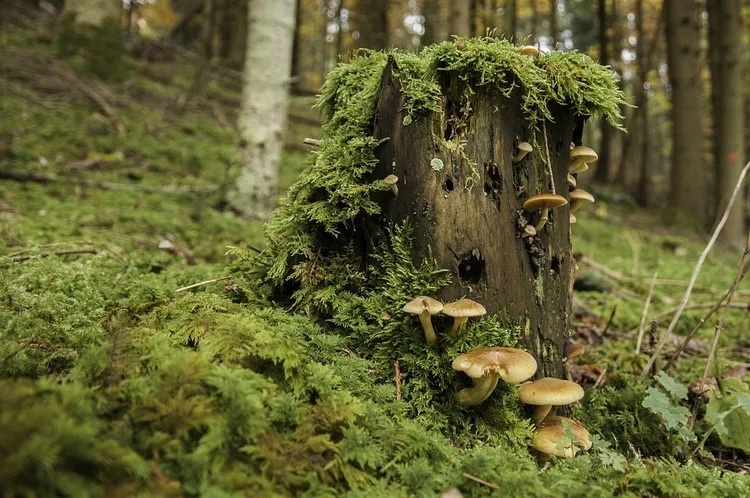
Here is the plot twist. Sometimes a dead tree is useful, and not just in a “turn it into a bench” way. Standing dead trees, often called snags, can be valuable habitat for birds and beneficial insects, especially when they are away from targets and foot traffic.
If you like the idea of keeping a snag, the safest version is usually a compromise: reduce the height, remove hazardous limbs, and keep a shorter section that is far less likely to cause damage.
Decision Time: Should You Remove the Tree or Keep It?
If you are stuck between “I want to be responsible” and “I do not want to overreact”, this is where a simple framework helps.
Ask two questions:
- What is the likelihood of failure?
- If it fails, what will it hit?
If the answer to the second question includes “my house,” “my neighbor’s house,” “a sidewalk,” or “a place where people spend time,” the decision usually gets clearer.
When to Cut It Down Immediately (Red Flags)
Removal moves to the top of the list when you see any of the following:
- The tree could strike a home, garage, or parked vehicles
- Large dead limbs hang over high-use areas
- The tree is near power lines
- There is a pronounced lean that appears new
- You see major cracking, splitting, or signs of root plate movement
- The tree has already started shedding large branches
If you are tempted to DIY a large dead tree removal, I want to say this kindly and clearly: dead trees do not cut like healthy trees. Brittleness and hidden decay can make them unpredictable, and the risks increase quickly when ladders, chainsaws, or climbing enter the chat.
If removal is the right next step, you can learn more and request a free consultation here: Tree Removal Services
Legal Issues: Do You Need a Permit or Insurance Review?
This varies by city and county, and sometimes by HOA. You may need a permit or approval if:
- The tree is protected by size or species rules
- The tree is in a right-of-way, easement, or shared boundary area
- The tree is part of a regulated environmental zone
- The tree is near utility infrastructure
Insurance can also be part of the conversation. If a dead tree is clearly hazardous, documenting that you addressed it responsibly can help avoid messy disputes later. An arborist consult is often the simplest way to get a professional recommendation you can stand behind, especially if neighbors or property managers are involved.
If you want that kind of clarity, start here: Arborist Consulting
Quick Decision Checklist: Removal vs. Preservation
Leaning toward removal is usually wise if:
- The tree can hit a structure, driveway, sidewalk, or play space
- Large deadwood is present in the canopy
- You see clear structural defects (cracks, severe lean, major cavities)
- The site is windy or exposed
- The tree is near power lines or public access areas
Leaning toward preservation (or a reduced snag) can make sense if:
- The tree is far from targets and foot traffic
- You can reduce height and remove hazardous limbs
- You want habitat value and the risk is truly low
How to Remove a Dead Tree Safely
Safe removal is not about being fearless, it is about being controlled.
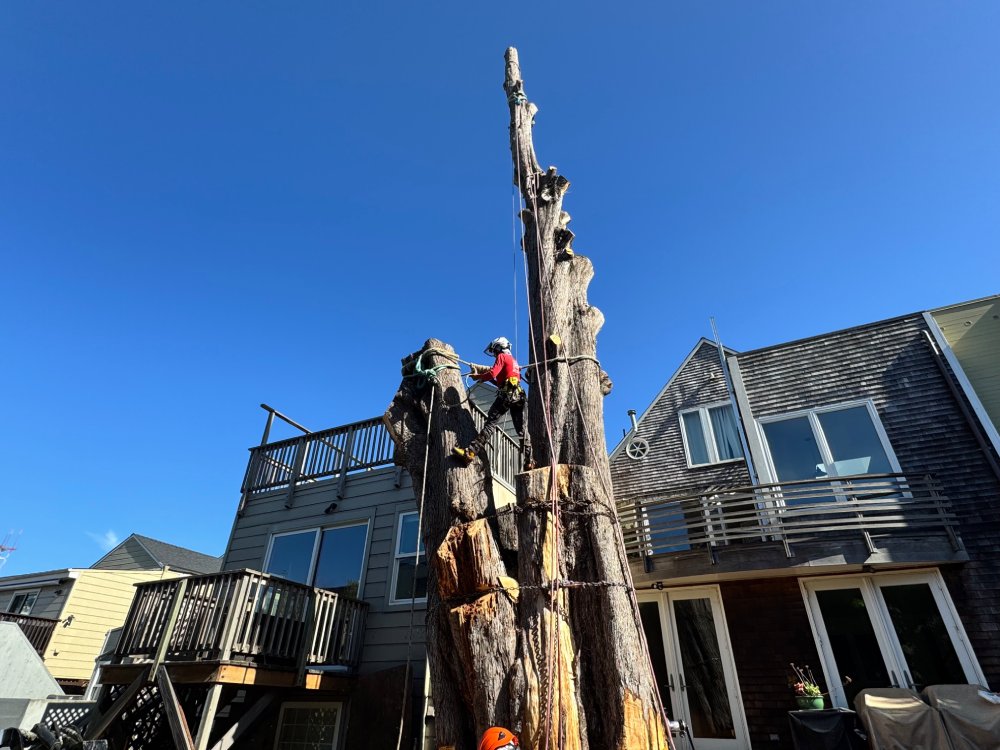
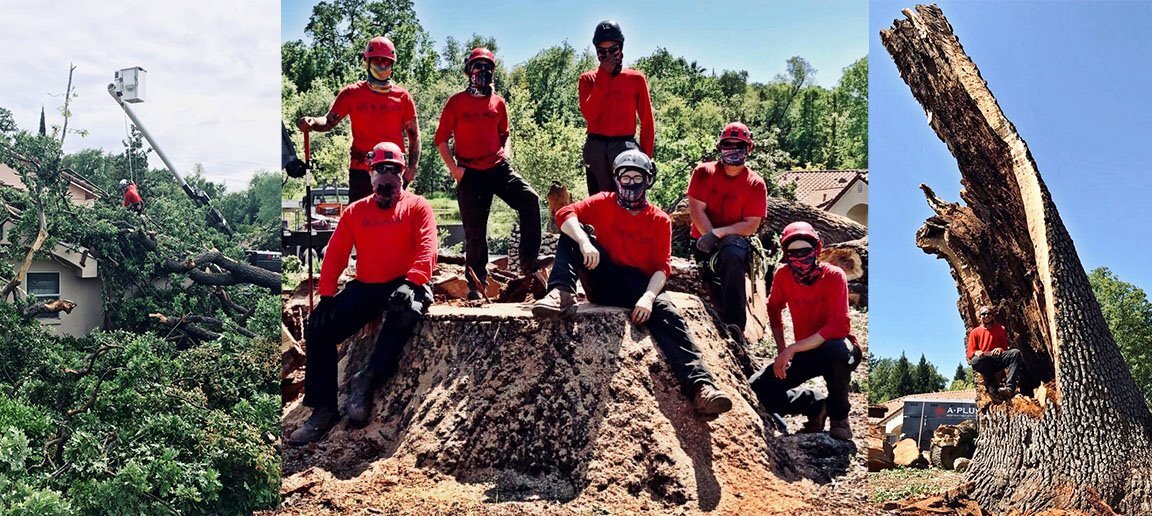
Professional tree removal focuses on two things: keeping cuts small enough to manage safely, and directing each piece away from structures, people, and fragile landscaping. That is especially important with dead trees, because dead wood can break unpredictably and internal decay is not always visible from the outside. The goal is to bring the tree down in a planned, steady way, rather than letting gravity and wind decide where it lands.
Cost Factors: DIY vs Hiring a Certified Arborist
DIY may be reasonable when the tree is small, the work can be done from the ground, and there are no targets nearby.
Hiring a certified arborist is usually the safest choice when:
- The tree is large
- Branches overhang structures or high-use areas
- There are power lines nearby
- The tree is dead and brittle
- Rigging, climbing, or a lift may be required
Cost is typically influenced by height, trunk diameter, access, complexity, and cleanup. The most expensive removals tend to be the ones where the tree must be dismantled carefully in sections, which is common in residential and urban environments.
Equipment, Risks, and Liability Considerations
Professional crews may use:
- Rigging systems to lower limbs in controlled pieces
- Lifts when access allows
- Climbing systems when lifts cannot reach
- Ground protection and drop zone planning to prevent property damage
Dead wood can snap or split unexpectedly, and internal conditions are not always visible from the outside. That is one reason arborists take tree biology seriously. Wood is built for strength, with structural components like lignin that act like reinforcement.
Tree Stump Options: Grind It, Keep It, or Repurpose It
Once the tree is down, the stump becomes your next decision.
Option 1: Grind it
Stump grinding is the cleanest option when you want to replant, restore a lawn, reduce trip hazards, or stop mowing around a stump forever.
Option 2: Keep it
Leaving the stump in place is the simplest choice, and it can work when it is out of the way and not creating a trip hazard. Expect it to slowly break down over time, especially in wetter conditions, and keep an eye out for pests or decay if it is close to structures or frequently used areas.
Option 3: Repurpose it
If the stump is solid and in a good spot, you can turn it into something useful or decorative, like a rustic seat, a small table base, a planter (with proper drainage), or a carved garden feature. Just keep expectations realistic. Outdoor wood will decompose over time, so think of it as a charming, temporary upgrade rather than a forever fixture.
If you do grind the stump, this guide is a helpful next step: What to Do After Stump Grinding
What to Do With the Tree After Removal
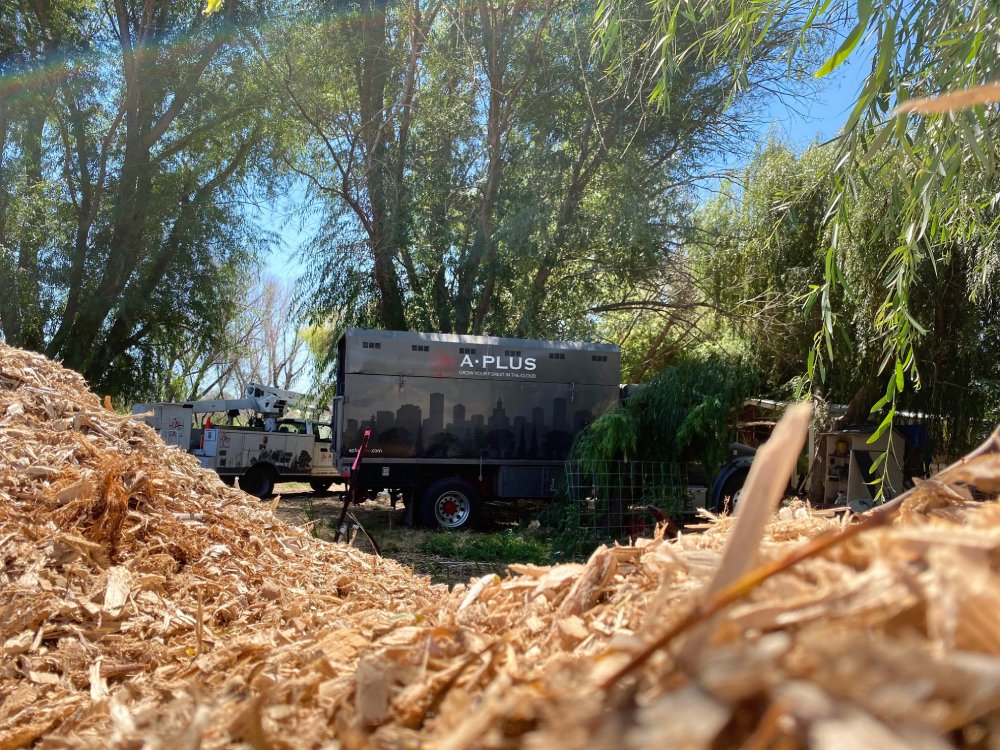
This is where things get more fun, because a dead tree does not have to be the end of the story. It can be the raw material for something useful, as long as you handle it thoughtfully.
Safe Disposal: Firewood, Mulch, or Local Drop-Off
Common options include:
- Chipping into mulch for beds and pathways
- Cutting into rounds for firewood
- Hauling to green waste or a local drop-off facility
- Milling the trunk into slabs if the wood is sound
If you are considering firewood, a quick reminder: “freshly cut” and “ready to burn” are not the same thing. Most firewood needs time to season so it burns efficiently and cleanly.
Handling Diseased Wood: What NOT to Do
If you suspect the tree died from a pest or disease issue, be cautious about moving wood around.
Avoid:
- Transporting wood long distances without knowing the cause of decline
- Stacking suspect wood next to healthy trees
- Sharing firewood casually with neighbors
When in doubt, ask for an assessment. The goal is to avoid turning one dead tree into a bigger property-wide problem.
Creative Ways to Upcycle Trunks and Branches
If the wood is solid and safe to use, here are a few genuinely practical ideas:
- Garden edging with straight trunk sections
- Path borders using log rounds
- Rustic seating from stable stump cuts
- Raised bed framing with thicker limbs
- Habitat features like perches or brush piles in low-risk zones
Creative Uses for Dead Trees (In the Garden & Home)
Not every dead tree has to be “remove and forget,” but safety still decides what is possible. If the tree is far from targets and foot traffic, you may be able to reuse parts of it in ways that add character and function to your landscape.
Wildlife Habitat or Garden Sculpture
If your property layout allows it, a reduced snag can be a thoughtful habitat feature. You can also:
- Install birdhouses on a stable trunk section
- Use a cut trunk as a natural trellis for climbing plants
- Create a “nurse log” zone where decomposing wood supports soil life over time
The safety rule stays the same: habitat features belong away from targets and foot traffic.
Rustic Furniture, Planters, and Landscape Borders
Energy is neither created nor destroyed, only transformed. Looking to repurpose wood with a purpose? Check out AfterPlus!
Your old wood can become:
- A simple bench or garden seat
- A stump planter with drainage
- Edging for beds and paths
- A low table or accent piece
Decorative and Artistic Ideas (Painting, Carving, Paths)
If you want the “this is actually kind of cool” version of dead tree reuse, consider:
- Wood carving or whittling
- Painting craft with small wood cookies for ornaments or gifts
- Using wood rounds as stepping elements, installed so they do not rock or tilt
When to Call a Professional Arborist
Call an arborist when:
- The tree is large or near targets
- You are unsure if it is dead or just declining
- There are power lines nearby
- You are seeing signs of structural weakness
- You want to keep a snag safely and need a risk-based plan
A professional assessment gives you a clear recommendation, not just a guess, and it can help with documentation if you need HOA approval, insurance context, or neighbor coordination.
How A Plus Tree Can Help
If you want a clear plan with safe execution, A Plus Tree can help with assessment, removal, stump grinding, and long-term property support.
If you are looking for ongoing maintenance that helps you stay ahead of problems (instead of discovering them in a windstorm), contact us for a complimentary assessment and quote.
Final Thoughts on Dead Trees and What to Do Next
A dead tree does not always mean “emergency,” but it does always mean “decision.”
If the tree can hit something valuable or high-use, prioritize safety and move toward professional assessment or removal. If the tree is truly low-risk, you may be able to keep part of it as habitat or repurpose it in a way that adds value to your landscape.
If you want the simplest next step that removes guesswork, start with an arborist consult. It turns a stressful question into a clear plan.
Frequently Asked Questions
How Do I Dispose of a Dead Tree?
Most homeowners chip it into mulch, haul it to a green waste facility, cut it into rounds for firewood, or hire a professional tree service that includes haul-away. If you suspect pests or disease, avoid moving the wood off-site until you know what caused the decline.
Is It Good to Leave Dead Trees Standing?
Sometimes. If the tree is far from targets and foot traffic, a reduced snag can provide wildlife habitat. If the tree can hit a home, driveway, sidewalk, play area, or power line, removal or reduction is usually the safer choice.
How Long Will a Dead Tree Stand?
There is no single timeline. Species, decay, wind exposure, and site conditions all matter. In general, the longer a tree has been dead, the more unpredictable it can become, especially in storms. If the tree is near anything valuable or high-use, treat it as time-sensitive and have it assessed.
Should a Dead Tree Be Cut Down?
If it can strike a structure, driveway, sidewalk, or neighboring property, removal is often the responsible option. A certified arborist can confirm whether the tree is truly hazardous and recommend the safest approach.
Can I Decorate or Carve a Dead Tree Stump?
Yes, if the stump is stable and sound. Solid stumps can become planters, seating, or decorative features. If it is soft, crumbling, or in a high-traffic area, stump grinding is usually the cleaner and safer solution.