
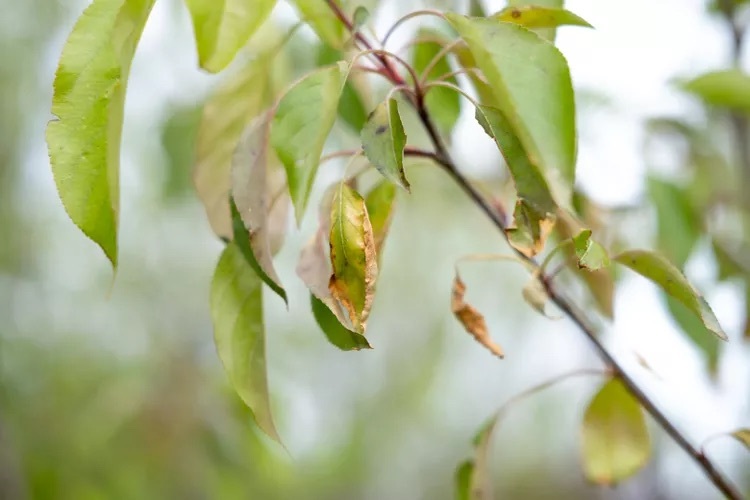
You plant a new tree expecting it to settle in and grow. Instead, it starts dropping leaves, looking wilted by afternoon, and generally acting like it regrets the move. This is often tree transplant shock, a common response when roots are disturbed and the canopy’s water demand temporarily exceeds what the reduced root system can supply. Many trees recover with steady basics and by avoiding extra inputs that add stress.
This guide covers tree transplant shock symptoms, how to tell stress from death, realistic tree transplant shock recovery time, and practical, arborist-aligned ways to support recovery.
Quick Answer: What Is Tree Transplant Shock?
Tree transplant shock is stress after planting or moving a tree, driven mainly by root loss and a sudden change in growing conditions. During digging or container removal, trees typically lose many fine, water-absorbing roots, so water uptake drops even if the root ball looks intact.
At the same time, leaves keep losing water through transpiration, especially in heat and wind. The result is a temporary imbalance: the canopy is pulling water out faster than the recovering roots can replace it, which shows up as wilting, scorch, yellowing, or slowed growth.
Not sure if your tree needs professional attention?
A Plus Tree’s ISA Certified Arborists serve homeowners across the West Coast. A free assessment takes 15 minutes and gives you a clear answer.
Signs Your Tree Is in Transplant Shock
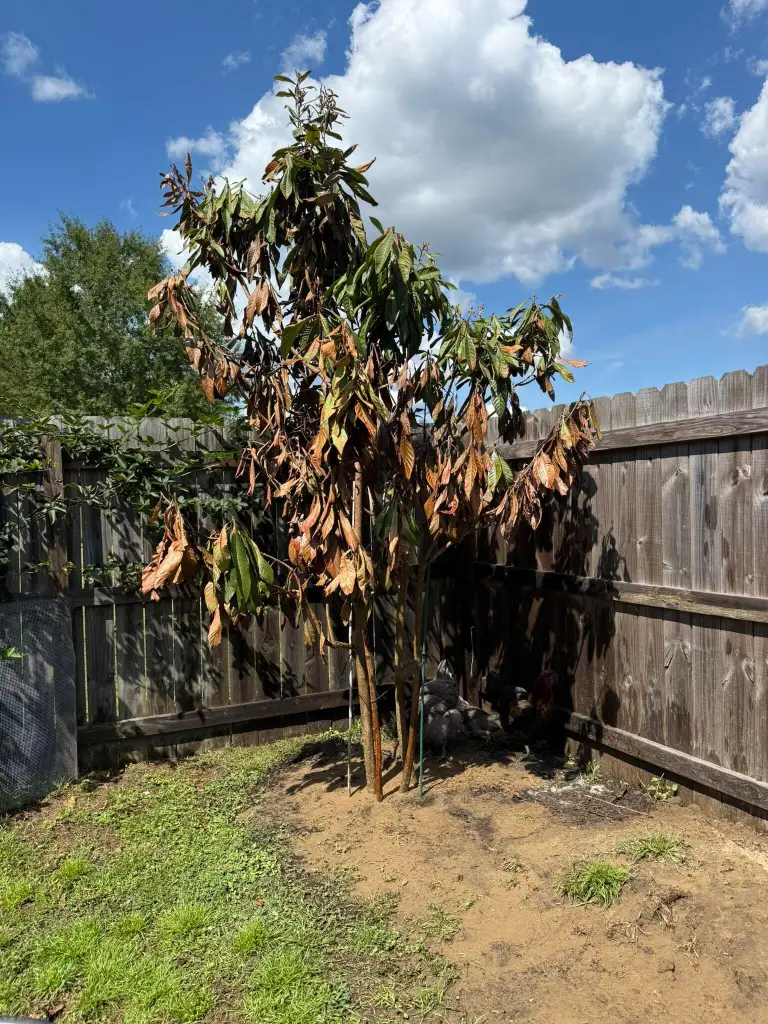
Most transplant shock shows up in the canopy first, because that is where water stress is easiest to see. The tricky part is that these symptoms can look like other issues.
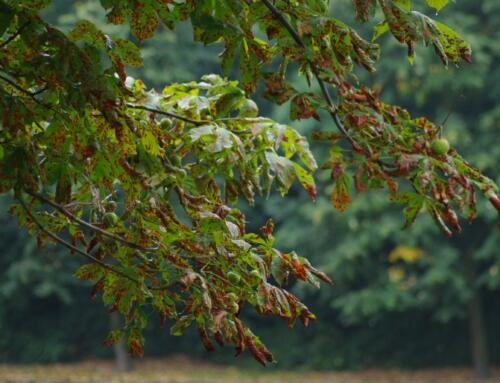
Common Symptoms (Leaf Scorch, Wilting, Yellowing)
Common tree transplant shock symptoms include:
- Wilting or drooping leaves, especially during the hottest part of the day
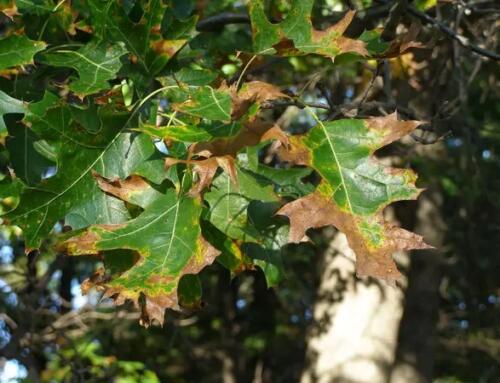
- Leaf scorch, with brown, crispy edges or tips
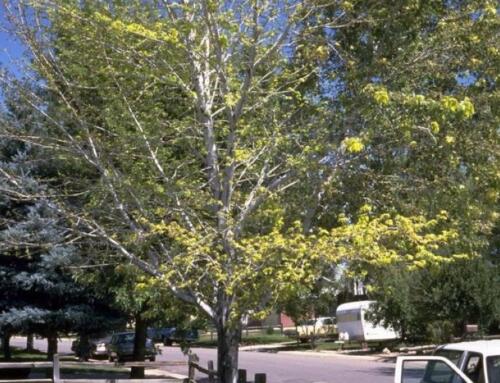
- Yellowing leaves that may later drop
- Leaf drop outside of the normal season for that species
- Slow growth or smaller-than-normal leaves
- Dieback at branch tips, especially in the outer canopy
Is My Tree Dead or in Shock? (The Scratch Test)
If you are worried your transplant shock tree is actually dead, the scratch test can help you quickly check whether living tissue is present.
- Choose a small twig in the outer canopy, about pencil thickness.
- Scratch a small patch of bark with a fingernail or a clean knife.
- Look just beneath the bark.
If you see green, moist tissue, that section is alive. If it is brown and dry, test a few other twigs, then move inward to slightly larger branches. A tree can lose some twigs and still recover, especially after transplant. What matters is whether you find living tissue across multiple areas of the canopy and whether symptoms stabilize over time.
If everything you test is dry and brittle, and there are no buds, no flexibility, and no green tissue in multiple spots, it may be more than shock.
How Long Does Tree Transplant Shock Last?
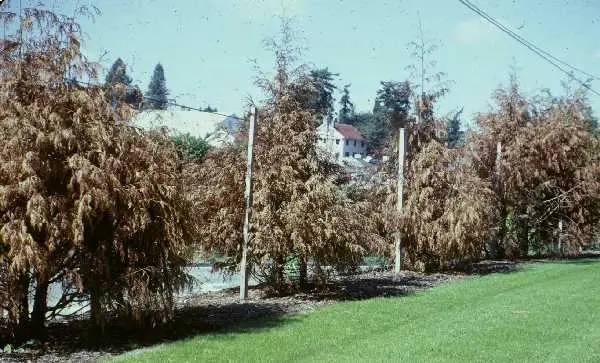
Tree transplant shock recovery time varies, but you can still set realistic expectations. Recovery depends on tree size, species, how much the roots were disturbed, planting quality, soil conditions, and weather.
Typical Recovery Timeline by Tree Type
These timelines are general, but helpful:
- Small, young trees often show improvement within weeks to a few months, with stronger establishment by the end of the first growing season.
- Medium trees commonly need one full growing season to regain balance between root capacity and canopy demand.
- Large transplanted trees can take multiple seasons to reestablish enough root growth to feel stable, especially if the transplant involved significant root loss.
One important note: recovery can look uneven. You may see progress, then a hot week causes leaf scorch or wilt again. That does not automatically mean you are failing. It often means the environment changed faster than the tree’s recovering root system can respond.
Factors That Influence Recovery Time
These factors tend to determine whether recovery is smooth or rough:
- Planting depth: Trees planted too deep often struggle because roots need oxygen and the trunk flare should not be buried.
- Soil drainage: Poor drainage can lead to oxygen-starved roots, which looks a lot like underwatering from the canopy’s perspective.
- Soil compaction: Compacted soil limits root expansion and slows establishment.
- Heat and wind exposure: Both increase water loss through the leaves.
- Root handling: Circling roots, torn roots, or roots left bound can reduce the tree’s ability to expand into surrounding soil.
- Watering accuracy: Inconsistent watering is a common cause of prolonged stress.
If your tree is newly planted and you want a practical care baseline for the first year, this guide on best practices for newly planted trees can help you align expectations and routines.
How to Help a Tree Recover From Transplant Shock
If you are searching how to fix transplant shock, the most effective approach is steady, correct aftercare. There is no shortcut product that replaces good watering practices, correct mulching, and time.
Step-by-Step Recovery Checklist
The goal is to reduce stress while the tree rebuilds fine roots and expands into surrounding soil. Focus on consistent moisture management, protecting the root zone, and avoiding unnecessary pruning or inputs that can increase demand on a compromised root system.
Below are the core steps, explained in plain language so you know exactly what to do and what to avoid.
Water Deeply
Deep watering is usually the biggest factor in recovery. You want water to reach the root zone, not just wet the surface. Watering frequency should match your soil and weather, not a rigid calendar.
A simple way to check is to feel the soil several inches down. If it is dry below the surface, the tree likely needs water. If it is wet and sticky, hold off. Consistently soggy soil can be as stressful as drought because roots need oxygen.
If you want professional help with deep watering, including how often to water and how much to apply, our deep watering service offers a more tailored approach.
Mulching the Right Way (The Donut Method)
Mulch helps stabilize soil temperature and moisture, which is exactly what stressed roots want. The key is applying it correctly.
Use the donut method: place mulch in a ring around the tree, keep it pulled back from the trunk, and avoid piling it like a volcano. Mulch piled against the trunk can trap moisture against bark and create conditions for decay or pest issues.
For a detailed breakdown of what mulch should look like and what to stop doing immediately, see this guide on mulch myths and truths.
Why You Should Skip Fertilizer for Year One
This is a common mistake. Fertilizer can encourage top growth when the tree is still trying to rebuild roots. More top growth means more water demand, and that can deepen stress.
Unless a soil test or a qualified professional identifies a specific nutrient deficiency, your best “input” in year one is correct water management and proper mulching.
Pruning Dead Limbs vs. Live Growth
After transplant, prune conservatively. Remove broken branches, obvious dead wood, or hazards. Avoid heavy canopy reduction to “balance” root loss. Keeping healthy leaves helps the tree produce energy, which supports root regrowth.
If you are not sure what is truly dead versus stressed or dormant, pause before cutting. Over-pruning can slow recovery and trigger unwanted growth responses.
Staking: When Is It Necessary?
Staking is not automatic. Only stake if the root ball is unstable, the site is windy, or the tree cannot remain upright on its own. If staking is needed, allow some movement, use soft ties, and remove staking as soon as the tree is stable. A tree that never moves does not build strength the way it should.
Monitor and Adjust
Transplant recovery is a process. Monitor weekly and look for trends:
- Are new buds forming?
- Are new leaves closer to normal size and color?
- Is midday wilting becoming less severe over time?
- Is dieback spreading, or stabilizing?
If you want professional support with tree planting and transplanting to reduce shock from the start, this service page is the best place to begin.
How to Prevent Transplant Shock in the First Place
You cannot prevent all transplant stress, but you can dramatically reduce severity by planting at the right time, choosing the right tree and site, and using good planting technique.
Best Times to Plant or Transplant
In many climates, planting during milder weather gives roots time to establish before extreme heat or cold arrives. Cooler seasons often reduce water demand from the canopy, which helps the tree focus on root growth.
If you must plant during warmer periods, the aftercare plan matters even more. Consistent deep watering and root-zone protection become non-negotiable.
Choosing the Right Tree and Location
A tree that is poorly matched to the site will struggle even if it was planted perfectly. Consider:
- Sun exposure and heat reflection from pavement or walls
- Soil drainage and compaction
- Available rooting space
- Irrigation access
- Wind exposure
“Right tree, right place” is a transplant shock prevention strategy. If the site is harsh, choose a species that can handle it, or adjust the site conditions before you plant.
Planting Techniques That Reduce Shock
Planting technique has a direct effect on stress levels.
- Plant at the correct depth with the trunk flare visible.
- Avoid leaving roots bound or circling.
- Settle soil gently without stomping it into a brick.
- Water in thoroughly after planting to eliminate large air pockets.
If you want a clear step-by-step guide for correct planting technique, follow this article on how to plant a tree.
If your issue involves a tree that was tipped, lifted, or uprooted by wind, that is a different scenario than standard transplant shock. In that case, this guide on how to deal with an uprooted tree is the better fit.
FAQs About Tree Transplant Shock
Does Sugar Water Help With Transplant Shock?
Sugar water is not a reliable solution. Transplant shock is primarily about root disruption and water balance, not a lack of sugar. Adding sugar to soil can also interfere with the soil environment in ways that do not benefit the tree. If you want to help, focus on deep watering, correct mulching, and avoiding fertilizer in the early establishment period.
Can Transplant Shock Kill a Tree?
Yes, severe transplant shock can kill a tree, especially when combined with heat stress, improper watering, poor drainage, or planting too deep. The highest risk is when the tree cannot reestablish functional roots fast enough to meet water demands.
If symptoms keep escalating over weeks without any stabilization, or if scratch tests show widespread dry tissue, it is time to bring in a professional to assess whether the tree can recover or whether another issue is involved.
How Do I Know if My Tree Is Recovering?
Recovery usually looks like gradual stabilization, not instant perfection. Signs your tree is improving include:
- Buds swelling and opening normally for the season
- New leaves that look increasingly normal in size and color
- Reduced midday wilting over time
- Small but steady new growth
- Less progression of dieback
If you see improvement, keep doing what is working. The most common way people derail recovery is by changing too many variables at once.
If you want help confirming what you are seeing and setting a care plan that fits your property and your tree, an assessment through tree health care services is the fastest way to remove uncertainty.
Get a Free Tree Assessment — No Obligation
Tell us about your tree. One of our ISA Certified Arborists will review your situation and get back to you within 24 hours.