
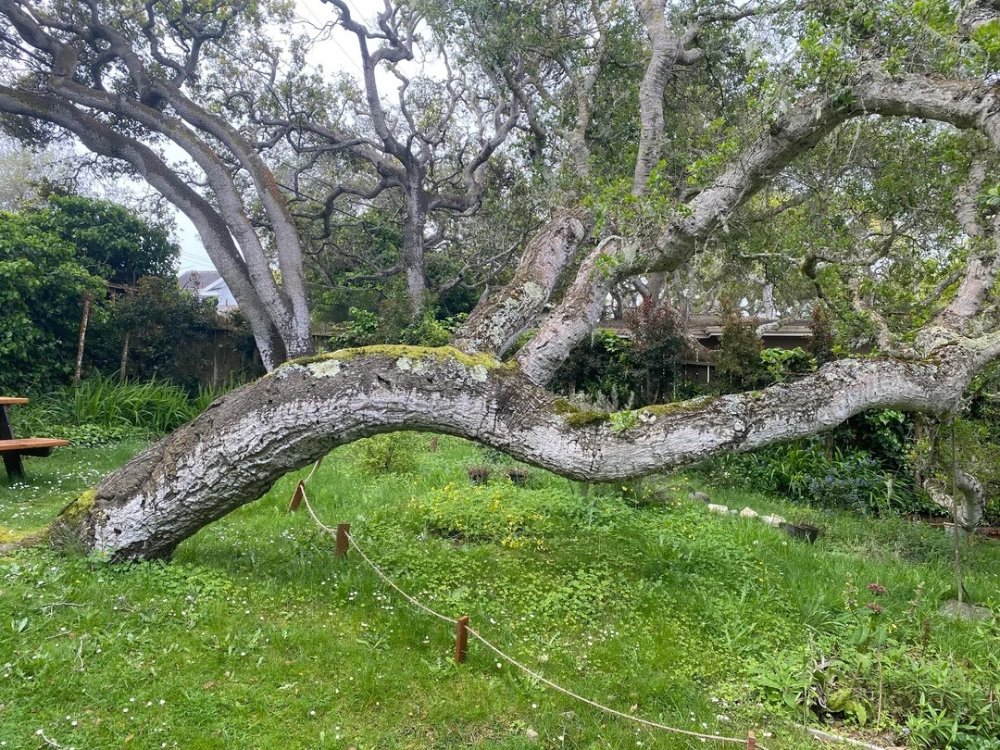
A leaning tree can trigger a very specific kind of homeowner panic. The good news is that many leaning trees can be corrected, especially when the lean is new and the roots are still mostly intact.
The tricky part is that staking is not a one size fits all fix. Done well, staking helps a tree reestablish stability while the root system recovers. Done poorly, staking can cause trunk injury, create weak growth, or give you a false sense of security when the real issue is underground.
This guide breaks down how to stake a tree that is leaning, what materials actually work, what to avoid, and when it is time to bring in a professional.
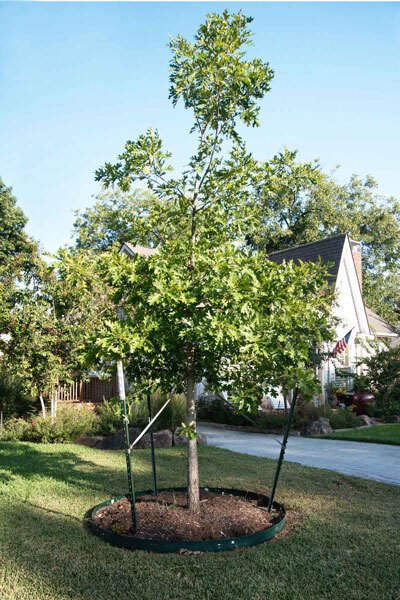
When Should You Stake a Leaning Tree?
Before you buy stakes and straps, take ten minutes to diagnose the “why.” A tree rarely leans just to be dramatic. Leaning is usually a symptom of wind, soil issues, watering problems, root disturbance, or a structural defect.
-
Natural Lean vs. Problem Lean
Some trees lean naturally and live long, perfectly healthy lives. A tree might lean because it is reaching for light (a normal response called phototropism), or because it has developed in a windy corridor and adapted its form over time. Trees respond to environmental signals like light and gravity with directional growth, which is part of how they survive in real landscapes, not perfect nurseries.
A “problem lean” is usually different. It often shows up as a recent change, a sudden increase in angle, or a lean that came after a storm or construction. The biggest red flag is when the lean is paired with movement in the soil.
-
Signs a Tree Needs Support (Loose Root Ball vs. Bent Trunk)
A leaning tree tends to fall into one of two categories:
1) The root ball is loose (the common “new lean” scenario).
This usually happens with newly planted trees, young trees after heavy wind, or trees in saturated soil. You may notice:
- Soil heaving or cracking on one side of the trunk
- A gap forming at the base
- The trunk moves and the ground moves with it
Roots are the anchoring system, and most absorbing roots live in the upper portion of soil where moisture and oxygen are available. When that zone is too wet, too loose, or recently disturbed, the tree can lose stability fast.
2) The trunk is bent, but the root ball feels stable.
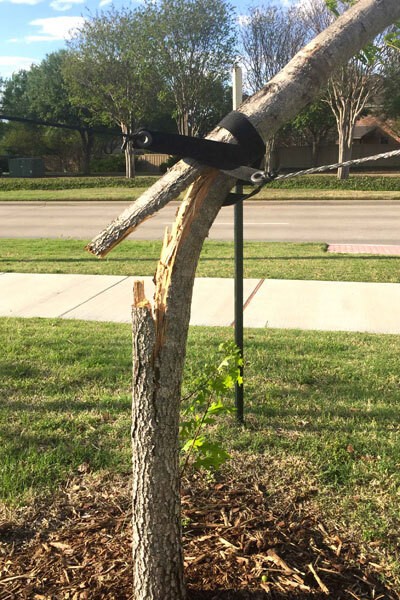
This can happen after snow load, improper pruning, a top heavy canopy, or long term lean toward light. Staking can help in some cases, but if the trunk has creased, cracked, or has internal damage, staking is not a safe substitute for structural assessment.
-
Can Trees Straighten Themselves?
Sometimes, yes, especially with young trees.
A young tree with a mild lean may correct over time as it adds wood and strengthens its root system, assuming the roots are stable and the lean is not worsening. Trees naturally allocate growth in response to forces like gravity and wind, and small corrections can happen gradually.
That said, “do trees straighten themselves” depends on a few factors:
- Age and size: young trees respond faster than mature trees.
- Cause of the lean: phototropism is not the same as a partially lifted root plate.
- Soil conditions: if the soil stays saturated or unstable, the lean often worsens.
- Timing: if a tree recently shifted, the window for correction is much shorter.
If the lean appeared suddenly, treat it like an injury, not a personality trait.
Not sure if your tree needs professional attention?
A Plus Tree’s ISA Certified Arborists serve homeowners across the West Coast. A free assessment takes 15 minutes and gives you a clear answer.
How to Stake a Leaning Tree: Step-by-Step
Think of staking like a temporary brace, not a permanent crutch.
Here is the core analogy: Staking is like using a splint on a sprained ankle. You want enough support to keep things aligned while healing happens, but you also want the tree to “use” its own stabilizing muscles again as soon as it is safe. Leave a splint on too long, or wrap it too tightly, and you trade one problem for another.
-
What You’ll Need (Tools & Materials)
For most leaning trees, you will need:
- 2 to 3 sturdy stakes (wood, metal, or fiberglass)
- Tree straps or wide, soft ties (avoid wire or thin rope directly on bark)
- A rubber hose or protective sleeve (if your tie system needs extra padding)
- Hammer or post driver
- Shovel (sometimes)
- Mulch
- Water source
-
Safety First: Call Before You Dig (811)
Before you drive stakes or install anchors, contact 811 to locate underground utilities. This is not optional “nice to have” safety. A stake or shovel through a utility line can turn a simple yard fix into an emergency. Plus, the service is free!
-
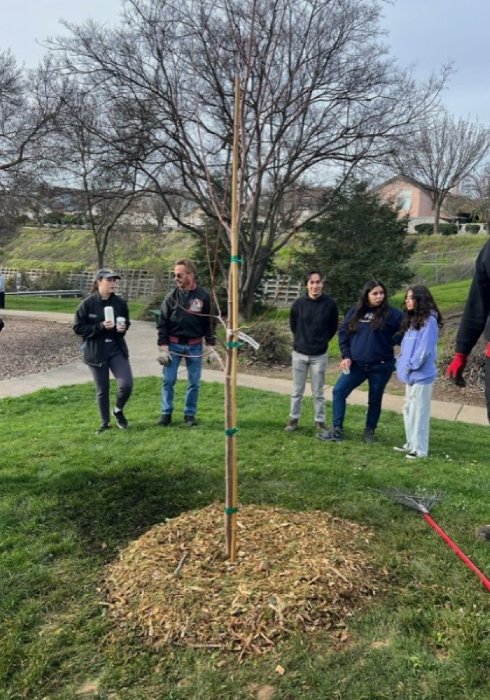
Step 1: Prepare the Soil (Moistening the Root Zone)
If the tree is leaning because the soil is dry and the root ball has loosened, water can help the soil settle and reduce voids. If the soil is already saturated and sloppy, do not add more water.
A practical way to think about it:
- Dry soil can crumble and fail to hold roots in close contact.
- Soggy soil can behave like pudding, letting the root plate shift.
Roots need moisture and oxygen, and most absorbing roots sit relatively close to the surface. The goal is a stable, lightly moist root zone, not a swamp.
-
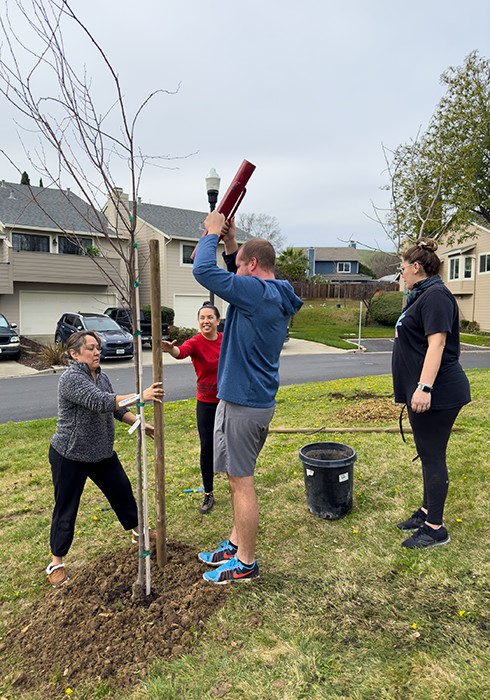
Step 2: Drive the Stakes in the Right Position
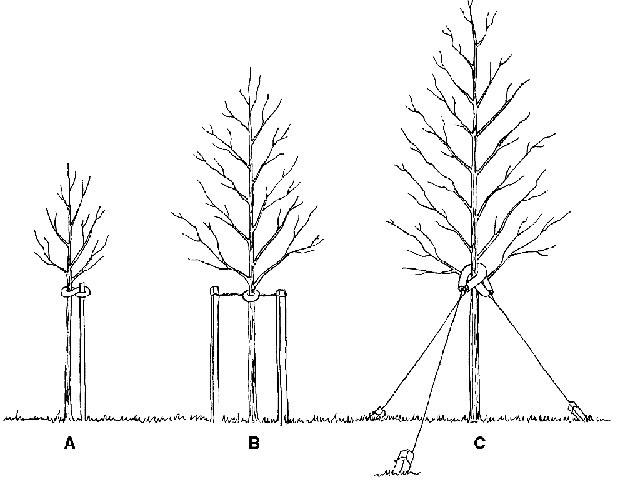
For most small to medium trees, you will use two stakes positioned outside the root ball, roughly opposite each other.
General placement guidelines:
- Place stakes outside the root ball so you are not spearing major roots.
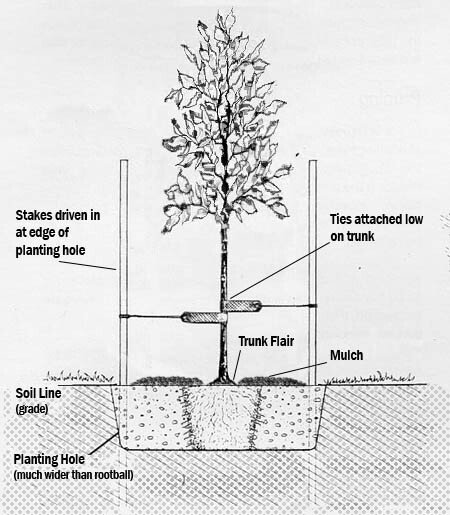
- Set stakes low enough and far enough that the ties pull the trunk toward upright without rubbing the bark.
- In windy areas or with soft soils, three stakes spaced evenly can distribute force better.
Avoid placing stakes too close to the trunk. You want leverage and stability, not a tight cage around the base.
-
Step 3: Straighten the Tree Carefully
This is where patience matters.
Gently move the trunk back toward upright. If the root ball is loose, you may see the soil lift slightly on one side. If you hear cracking, see splitting, or feel strong resistance, stop. Forcing a tree upright can tear roots that are still intact, which makes the tree less stable, not more.
Here is what this looks like in real life:
After a winter storm, a newly planted tree is leaning 15 degrees. The soil on the upwind side is slightly lifted, but the trunk is flexible. You water lightly (if soil is dry), press the lifted soil back down, and guide the tree upright without jerking it. Then you stake it so the trunk is supported, but still able to sway slightly. Over the next weeks, you monitor movement after wind events. That is a correct “support while recovery happens” approach.
-
Step 4: Secure the Tree With Ties or Straps
Use wide, soft straps designed for trees when possible. The bark protects living tissues underneath, and tight or abrasive materials can damage the cambium and disrupt transport of water and sugars.
Tie guidelines:
- Attach ties low enough to stabilize the trunk, usually around 1/3 of the tree’s height.
- Allow some movement. A little sway encourages trunk strength and root response.
- Check that ties do not rub and that hardware is not cutting into bark.
Avoid wire, and avoid thin rope directly on the trunk. If rope is all you have, add a protective sleeve, but treat that as temporary and upgrade soon.
-
Step 5: Monitor and Remove the Stakes on Time
Most trees should not stay staked long term.
As a general rule, remove staking after one growing season, and often sooner for small trees, depending on stability. The longer a tree relies on stakes, the less it has to develop its own structural strength.
Set reminders to:
- Check straps monthly (especially after storms)
- Loosen or adjust as the trunk expands
- Remove staking once the tree stands independently
If you are dealing with a planted tree that repeatedly fails to stabilize, revisit planting depth, root flare visibility, and root issues. This planting guide can help: How to Plant a Tree
Staking Small vs. Large Leaning Trees
A key question people miss is scale. How to straighten a small leaning tree is not the same as how to stake a large tree that is leaning. Size changes the physics, the risk, and the margin for error.
-
How to Stake a Small Leaning Tree (Single Stake Method)
For a very small tree (think young ornamental, whip, or recently planted sapling), a single stake can work if the lean is mild and the root ball is stable.
How it works:
- Drive one stake outside the root ball on the windward side.
- Use a soft tie to connect the trunk to the stake.
- Keep the tie snug enough to guide upright, but not rigid.
This works best when:
- The lean is slight
- The trunk is flexible
- The soil is stable
- The tree is under about 6 to 8 feet tall
If the root ball is moving, switch to a two stake or three stake approach.
-
How to Stake a Large Leaning Tree (Guying & Anchors)
Large trees are a different story. A large tree that has shifted can have significant root damage, soil plate instability, or structural defects. “Staking” often becomes “guying,” which uses multiple anchor points to stabilize the tree.
Guying may involve:
- Multiple ground anchors placed outside the critical root zone
- Tensioned cables or straps
- Proper angle and load distribution to avoid trunk damage
If you suspect root plate movement, uplift, or partial uprooting, read this first: How to Deal with Uprooted Tree
And if you need anchoring specifics: How to Anchor a Tree
For large trees, the safest answer is often professional assessment. The consequences of getting it wrong are bigger, literally.
Common Mistakes to Avoid When Staking Trees
Most staking problems come from good intentions and bad mechanics. Here are the most common issues we see:
- Staking too tight
If the trunk cannot move at all, the tree does not build strength. You want stability, not immobilization.
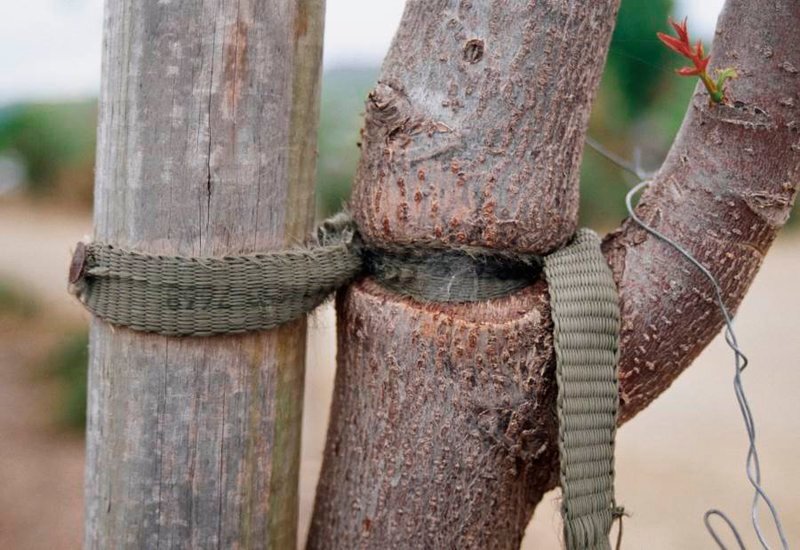
- Using damaging materials
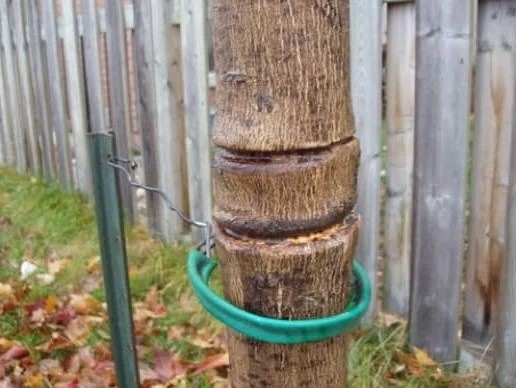
Wire, thin rope, and narrow straps can cut into bark. Bark protects living tissues beneath it, and injury can create long term weak points.
- Leaving stakes on too long
Stakes are temporary. Trees can become dependent, and trunk taper can be reduced.
- Staking the wrong problem
If the tree is leaning due to root damage, decay, or structural defects, stakes can mask the issue. That is risky.
- Ignoring the root cause
If the soil is constantly saturated, the tree may keep leaning. If the canopy is unbalanced, the tree may keep pulling. Staking without addressing cause is like taping a door shut instead of fixing the hinge.
If canopy weight or structure is part of the problem, thoughtful pruning can help reduce sail effect and rebalance load.
Post-Staking Care
Staking is only step one. The goal is a tree that stands on its own again, and that happens through roots, water management, and recovery time.
-
Mulching to Protect the Roots
Mulch helps moderate soil temperature, conserve moisture, and protect the root zone from compaction. Keep mulch a few inches away from the trunk flare to avoid trapping moisture against bark.
Healthy roots are the anchor system. Roots typically spread far beyond the drip line, and most absorbing roots are found in the upper portion of soil, where they can easily be affected by heat, drying, and foot traffic.
-
Watering Schedule for Leaning Trees
Watering depends on why the tree leaned, but here are practical guidelines:
- Water deeply and less frequently, encouraging roots to expand into surrounding soil.
- Avoid daily shallow watering, which can keep roots near the surface and increase instability.
- After storms, check drainage and avoid adding water if soil is saturated.
If your leaning tree is connected to root problems, compaction, or damage, this root resource may help you spot bigger issues: Tree Root Damage: Causes, Treatment and Prevention
When Staking Won’t Work (and What to Do Instead)
Sometimes the right answer is not a better stake, it’s a different plan.
-
Severely Uprooted Trees (Is It Too Late?)
If a tree is severely uprooted, the root plate may be compromised beyond a safe reset. Warning signs include:
- A large mound of lifted soil and roots on one side
- Torn roots visible
- The tree can be rocked easily
- Lean is severe and recent, especially after wind
In some cases, replanting is possible, but timing matters and safety matters more.
-
Straightening Mature Trees (Why It’s Risky)
Mature trees weigh more, have larger sail area, and may have hidden decay or structural weakness. Even if you could “pull” a mature tree more upright, the forces involved can:
- Tear roots
- Crack the trunk
- Destabilize the root plate
- Increase the chance of failure later
Also, mature trees often lean as a long term adaptation. Forcing them upright can create stress they are not built to handle.
-
When to Call a Professional Arborist
Call a professional if:
- The tree is large and close to a home, driveway, sidewalk, or power line
- You see soil heaving, root exposure, or cracking
- The trunk has splits, creases, or cavities
- The lean appeared suddenly after a storm
- The tree continues to lean more each week
If there is any chance of failure impacting people or property, treat it as a safety issue, not a weekend project. If it falls, you know who to call: A Plus Tree offers 24/7 Emergency Tree Services
FAQs About Leaning Trees
What Is the Best Thing to Use to Stake a Tree?
Use sturdy stakes and wide, soft tree straps designed to prevent bark damage. Avoid wire and thin rope directly on the trunk. The best system is one that stabilizes the tree while still allowing slight movement, and that can be adjusted as the trunk grows.
Can Leaning Trees Be Saved?
Many can, especially young trees and newly leaning trees with mostly intact roots. Success depends on why the tree leaned, how quickly you respond, and whether the root system is stable. Trees with major root plate failure, severe uprooting, or trunk damage may not be safe candidates.
How Long Should a Tree Stay Staked?
Often one growing season or less. Small trees sometimes need only a few months. The goal is to remove staking as soon as the tree can stand independently, while continuing proper watering and root zone care.
Will a Tree Die if It’s Leaning?
Not automatically. Leaning is a symptom, not a death sentence. A mild, stable lean can be harmless. A sudden lean caused by root damage, soil failure, or trunk injury can be serious. The key is whether the roots and vascular system can keep functioning and whether the tree remains structurally stable.
Does Staking Weaken a Tree?
It can if done incorrectly or left too long. Trees need slight movement to develop trunk taper and strength. Overly rigid staking can reduce that natural strengthening response. Done correctly and removed on time, staking is a helpful short term support.
Is It Better to Replant a Leaning Tree?
Sometimes, yes, especially for newly planted trees that were installed too shallow, too deep, or with poor root flare positioning, or if the root ball has shifted in unstable soil.
Get a Free Tree Assessment — No Obligation
Tell us about your tree. One of our ISA Certified Arborists will review your situation and get back to you within 24 hours.